Author: ROC Roofing

  • Hidden Storm Damage Roof Repair Signs in Florida in Central Florida

    Hidden Storm Damage Roof Repair Signs in Florida in Central Florida

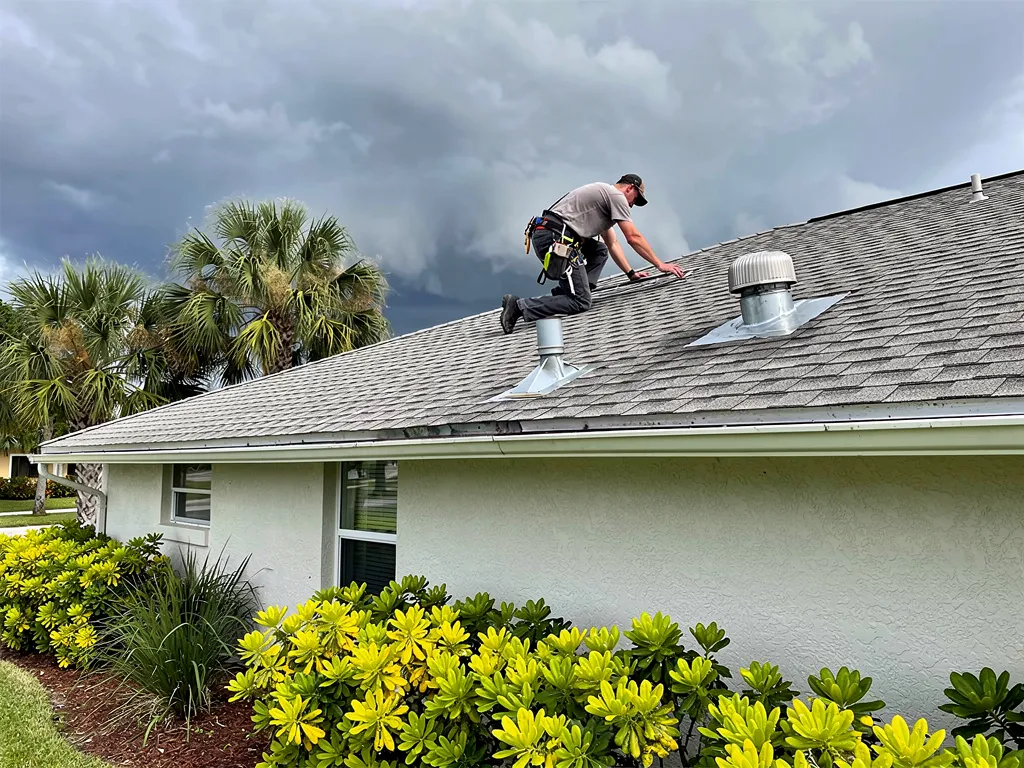
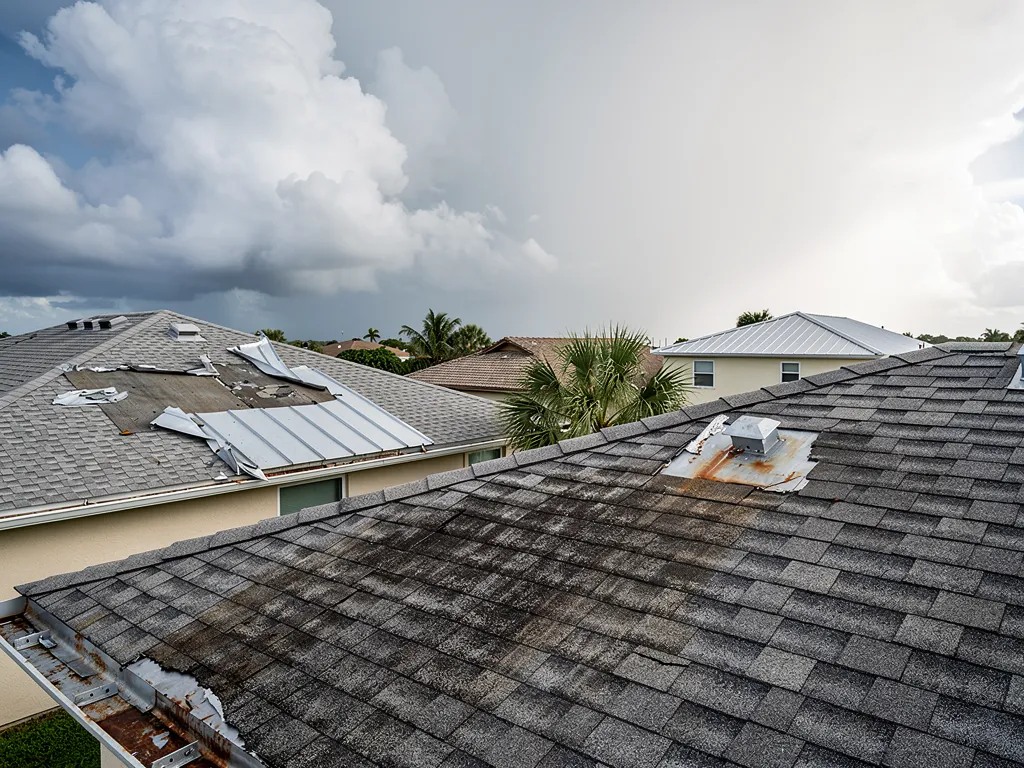
    Hidden roof storm damage in Central Florida often starts small and goes unnoticed. After a tropical system, high winds, or a heavy downpour moves through Orange, Seminole, Brevard, Volusia, Stewart, or Indian River County, a roof can look untouched from the driveway while real damage sits just out of view. The Insurance Institute for Business & Home Safety reports over 65% of roof replacements stem from preventable, hidden issues. Granule loss in gutters, curled shingles, or subtle attic moisture are common signs, and each one tends to worsen quietly until it shows up as a leak or a sagging ceiling. A professional inspection catches these problems before they escalate into costly repairs, giving homeowners a clear picture of their roof’s condition and protecting the value of the home.

    Key Takeaways

    • Over 65% of roof replacements trace back to damage that started as a minor, preventable issue.
    • Granule loss in gutters exposes the asphalt matting and accelerates wear from Florida’s sun.
    • Compromised roof flashing around vents, valleys, and chimneys creates direct entry points for water.
    • Attic inspections reveal damp insulation, musty odors, and rusted nails that signal moisture intrusion.

    Why does my roof look fine after a storm?
    Why does my roof look fine after a storm

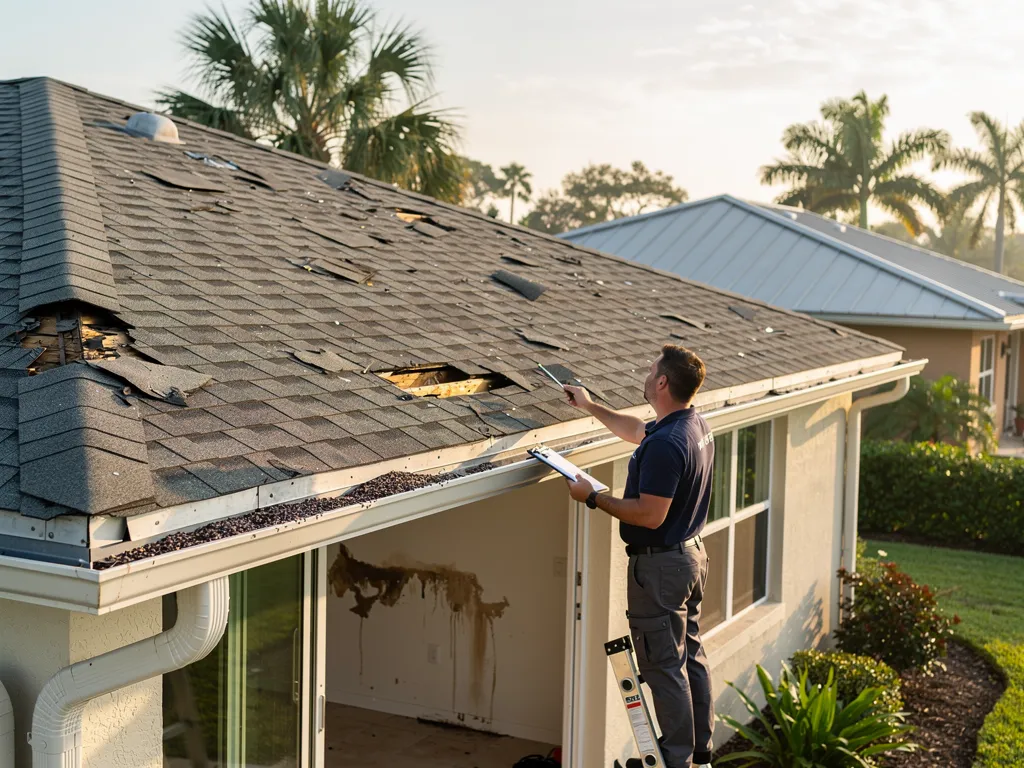
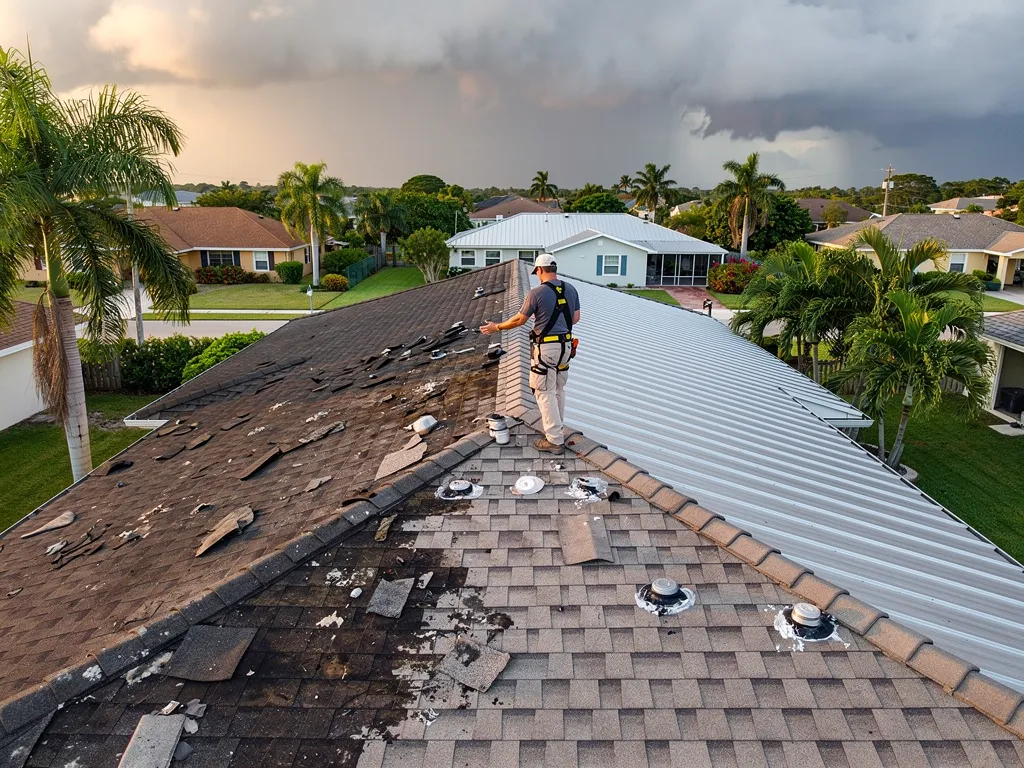
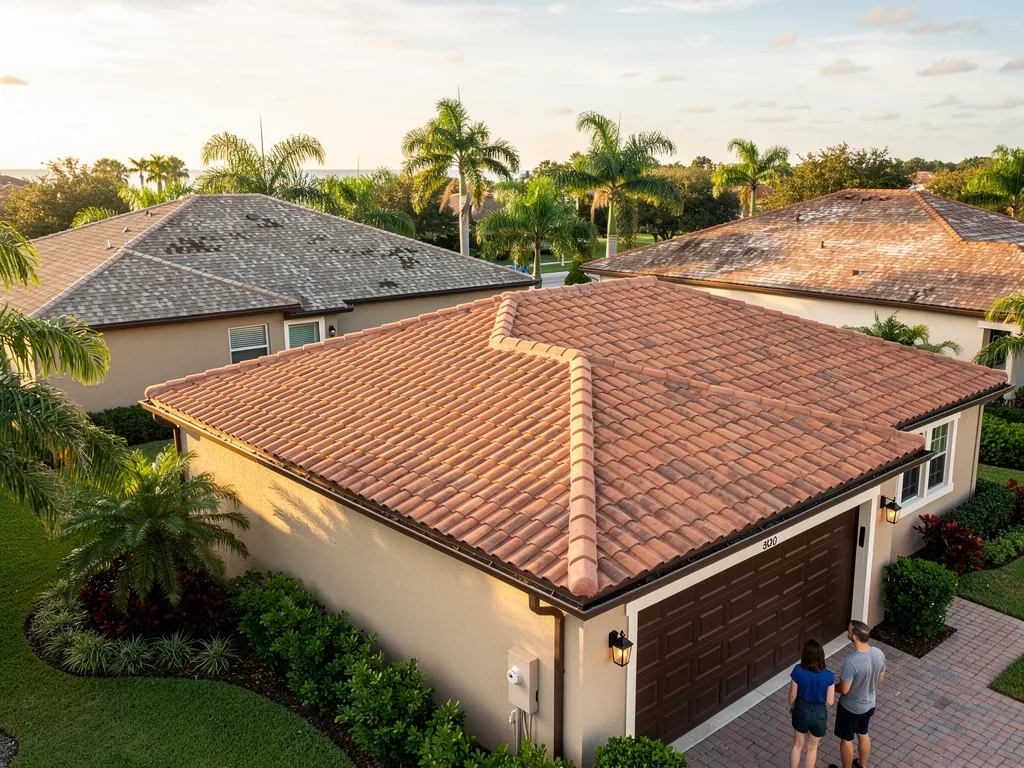
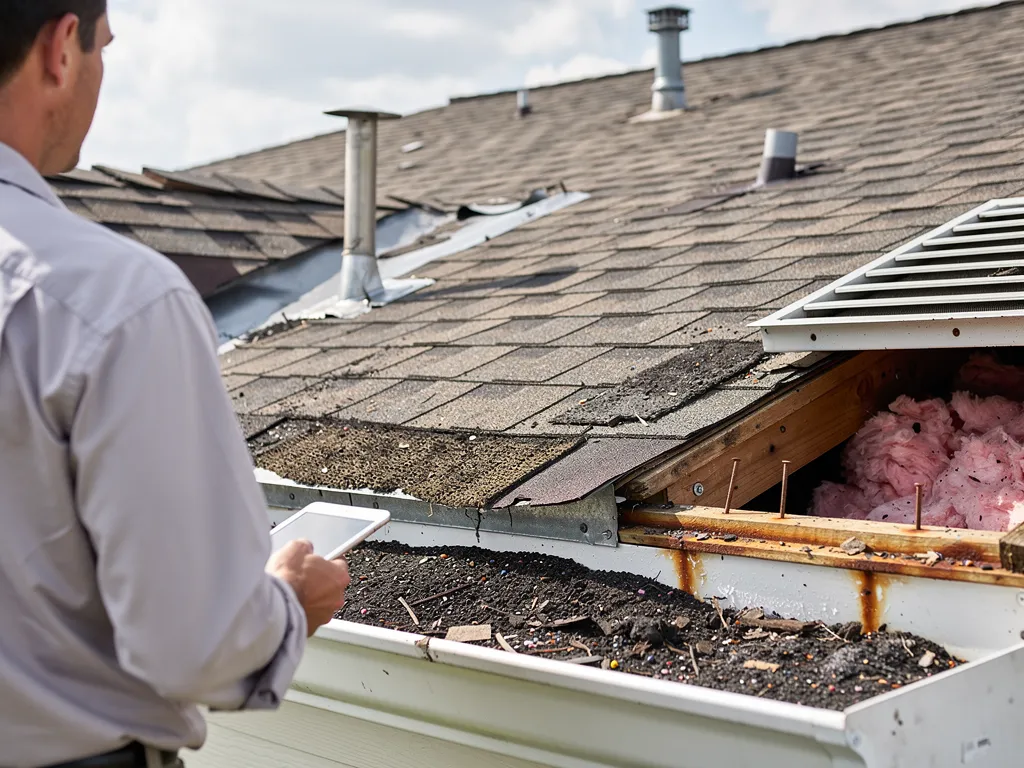
    A roof can sustain serious damage while appearing completely intact from the ground. Storm damage is often hidden, and issues may not appear until weeks or months later. Central Florida homeowners who skip a post-storm roof inspection risk discovering problems only after leaks begin.

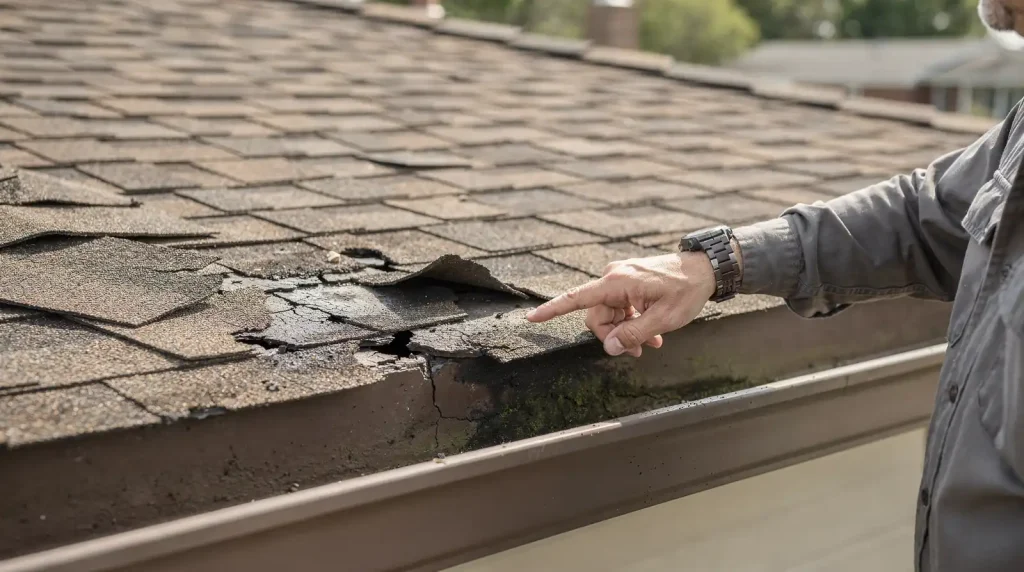
    Strong winds loosen roofing materials or break the seals that keep water out, even if the roof still looks normal. These small failures create entry points for moisture. Over time, that moisture causes wood rot, mold, and structural deterioration.

    What kind of damage stays invisible after a storm?

    • Loose shingles that remain in place but no longer seal against wind-driven rain
    • Broken adhesive strips under shingles, invisible from ground level
    • Compromised flashing around vents, chimneys, and skylights
    • Small punctures from flying debris that do not show from below

    How long before hidden damage becomes obvious?

    Hidden problems often surface weeks or months after the storm. A homeowner may notice roof leaks after heavy rain long after the original weather event, once a loosened seal or cracked flashing has had time to let moisture work its way into the decking. By then, the repair scope has grown from a simple patch to a full section of decking and insulation replacement. Early detection prevents major repairs, which is why a professional assessment matters soon after any significant wind or rain event. Homeowners evaluating whether to repair or replace their roof benefit from understanding how hidden damage progresses, since the right call often depends on catching issues before they compound.

    What are the hidden signs of roof damage?
    What are the hidden signs of roof damage

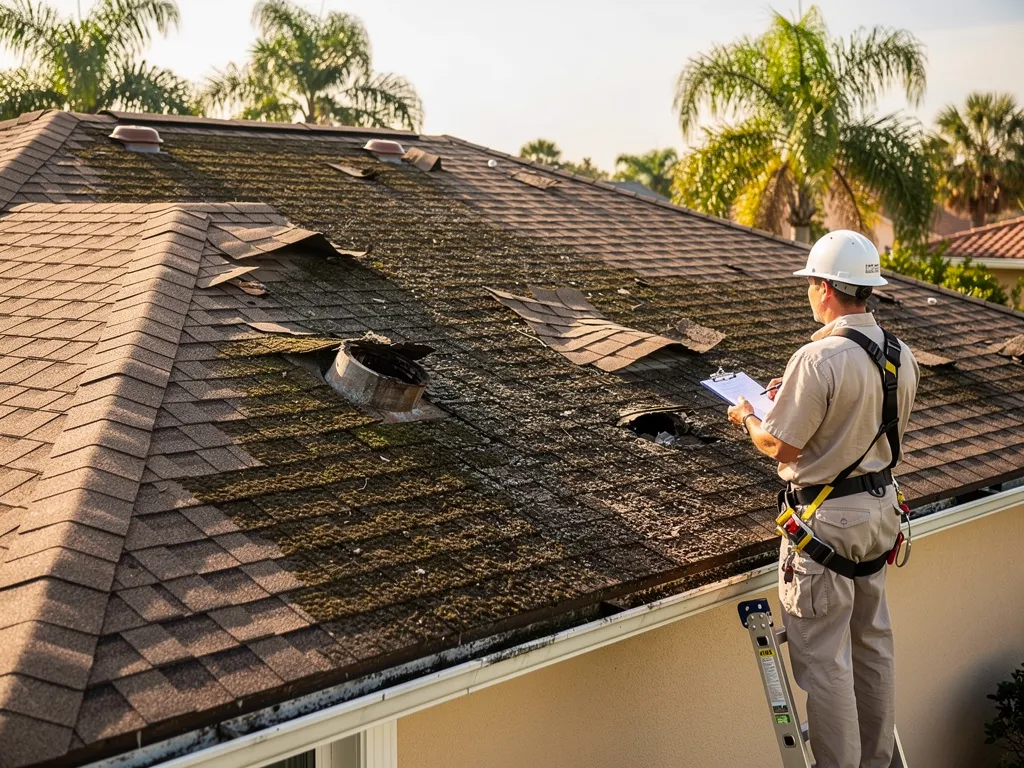
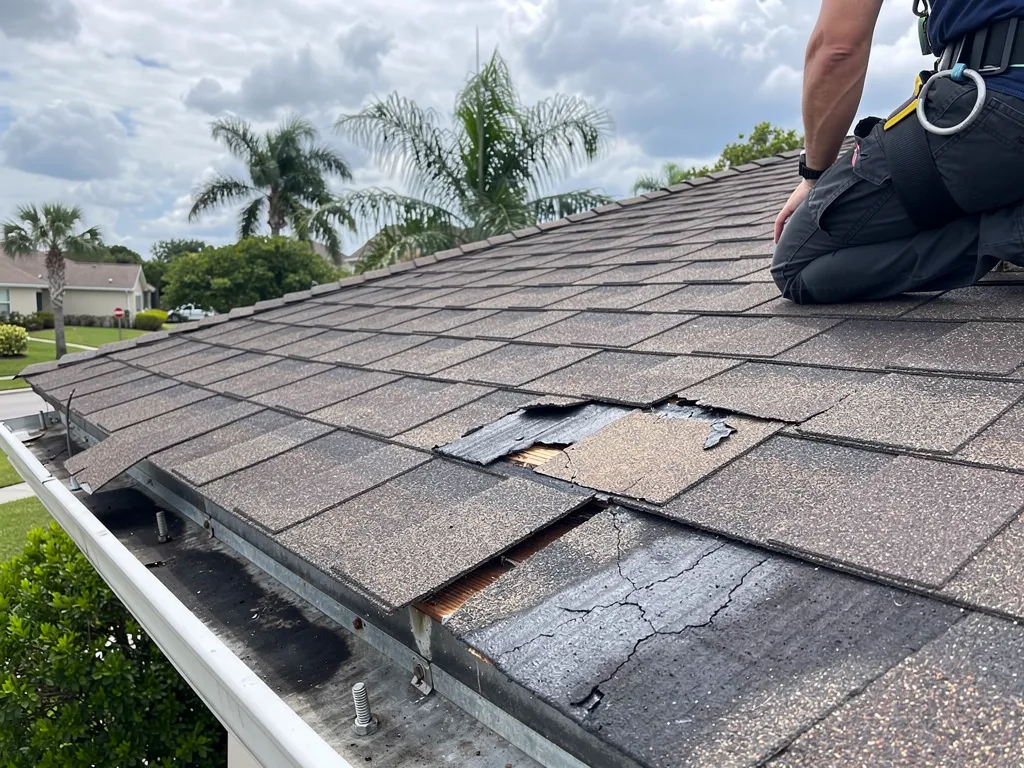
    Hidden roof damage often starts small and stays invisible from the ground. A post-storm roof inspection reveals problems that homeowners miss until leaks or structural decay set in. The Insurance Institute for Business & Home Safety reports that more than 65% of roof replacements trace back to damage that began as a minor, preventable issue.

    What does wind damage to shingles look like up close?

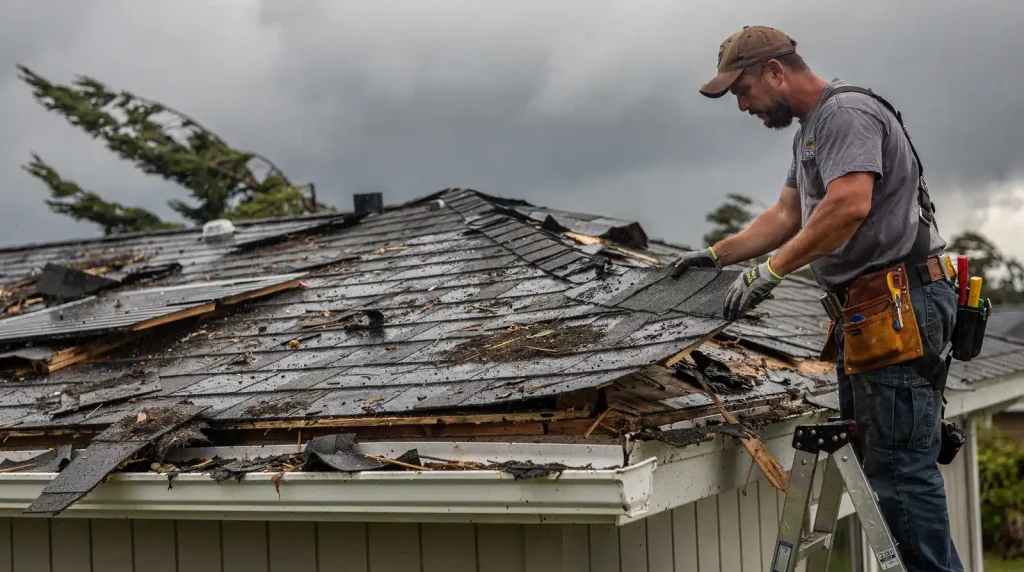
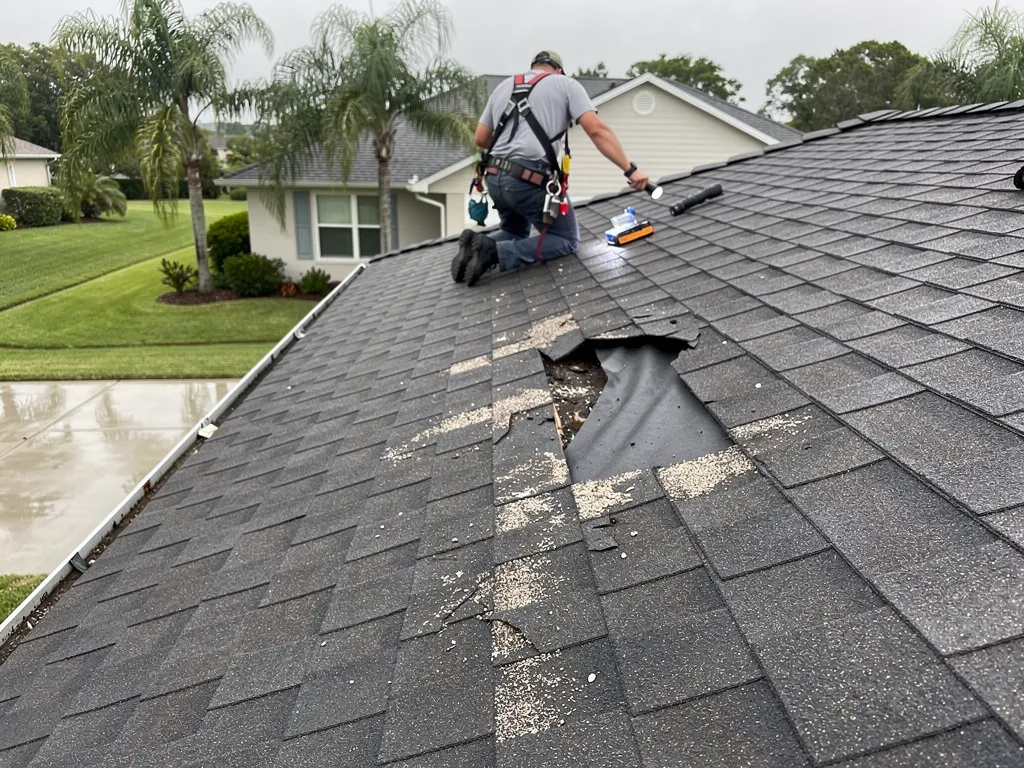
    Wind damage to shingle surfaces appears as lifted edges, creased tabs, or completely missing pieces. Strong gusts break the adhesive seal that locks shingles together. Once that seal fails, water slips underneath and attacks the decking. A central florida roofing contractor spots these failures during a close-up inspection, long before a ceiling stain appears.

    How does granule loss lead to bigger problems?

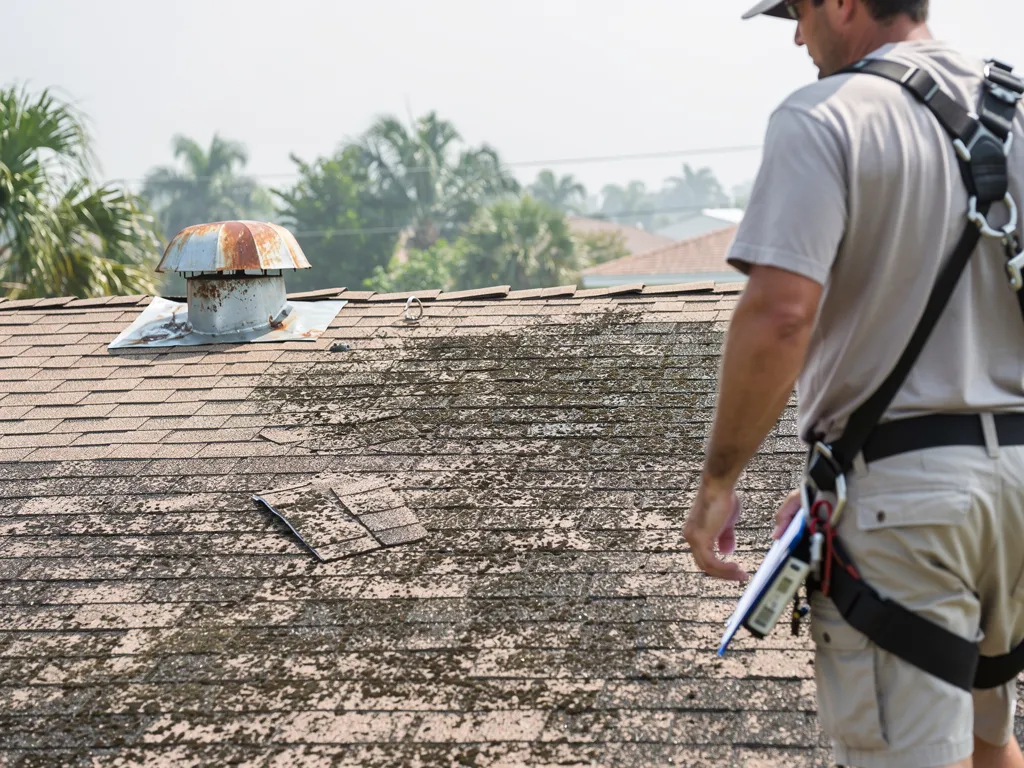
    Granule loss in gutters exposes the asphalt matting and accelerates wear. Those granules shield the roof from ultraviolet rays and impact. Without them, shingles bake in the Florida sun, turn brittle, and crack. Homeowners who notice dark, sandy grit washing out of downspouts after heavy rain should treat it as an early warning.

    Why is soft roof decking a critical red flag?

    Soft or spongy roof decking signals compromised structure underneath. Moisture seeps through failed flashing or cracked shingles and rots the plywood over time, often without any visible sign on the surface above. Walking across a roof that feels springy underfoot indicates advanced decay, and in many cases the damage has already spread beyond a single board. At that stage, emergency roof repair becomes urgent to prevent a partial collapse, and homeowners should avoid walking on the affected area until a professional can assess how far the rot has spread.

    Where does flashing failure let water in?

    Flashing seals the joints where the roof plane meets a vertical surface. When wind bends it or caulk dries out, roof leaks after heavy rain follow quickly. A thorough storm damage roof repair protocol always checks these transitions first.

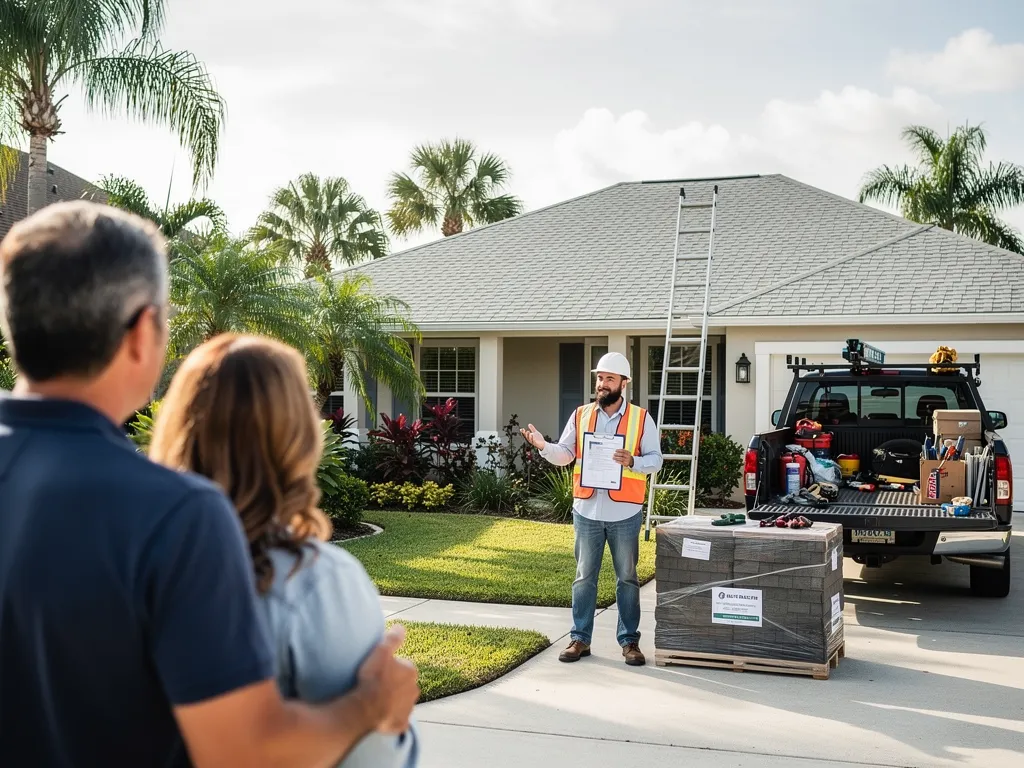
    Homeowners who delay inspection after a storm risk losing thousands to rot and mold. A guide to Roof Repair & Replacement for DeBary homeowners outlines the full inspection process. Roof damage after a storm worsens silently, but trained eyes catch the clues before a small flaw becomes a full replacement.

    How can I check for damage inside my home?
    How can I check for damage inside my home

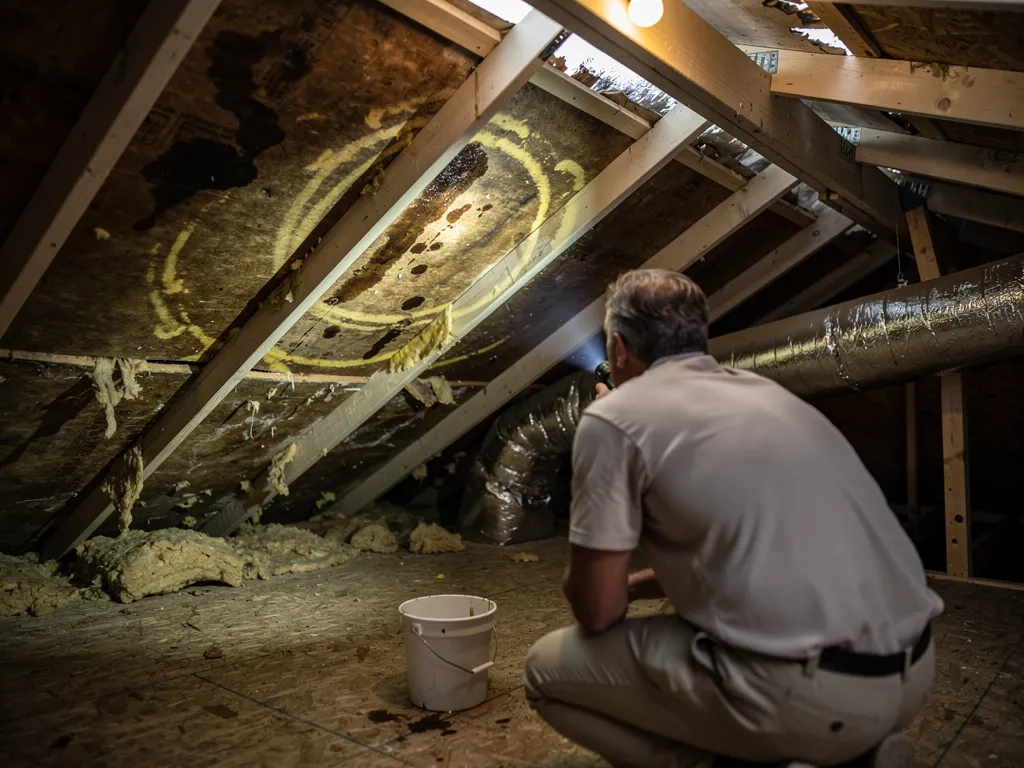
    Interior signs of roof damage after a storm often appear before exterior clues. Homeowners who inspect attics and ceilings promptly catch problems while repairs remain manageable. The Insurance Institute for Business & Home Safety reports that more than 65% of roof replacements trace back to damage that started small and was entirely preventable.

    What should homeowners look for in the attic?

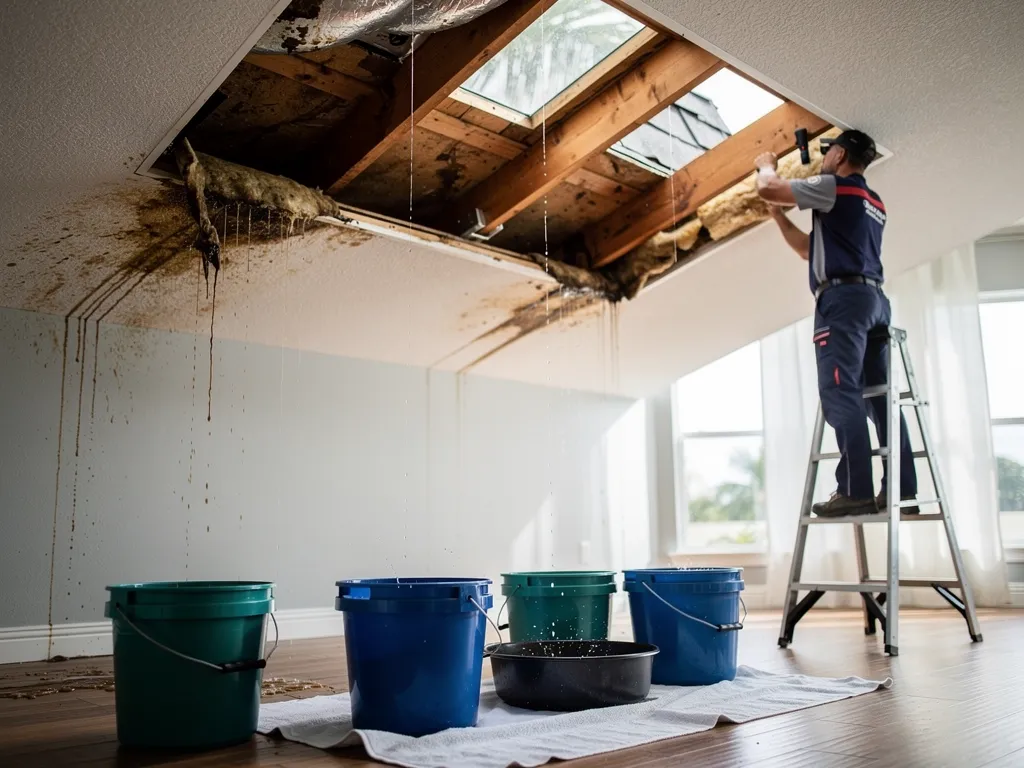
    Attic inspections reveal damp insulation, musty odors, and rusted nails. These indicators signal moisture intrusion that compromises the roof deck. In Central Florida’s humid climate, trapped moisture accelerates rot, encourages mold growth, and weakens structural integrity. Left unchecked, these conditions spread silently for weeks before visible leaks appear downstairs.

    How do ceilings show hidden roof trouble?

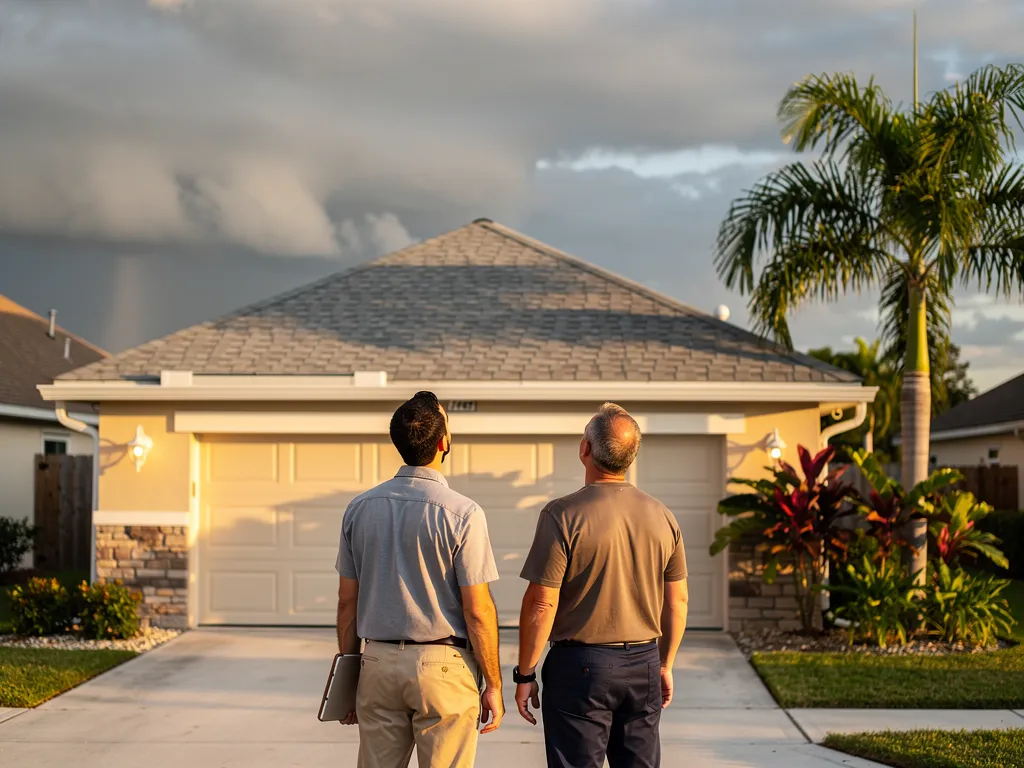
    Ceiling discoloration and hairline drywall stains point to water intrusion from above. Stains often start faint and expand after subsequent rains. A post-storm roof inspection by a qualified central florida roofing contractor identifies the source before drywall replacement becomes necessary. Professional assessments also provide documentation homeowners need for insurance claims.

    FAQ

    What kind of damage stays invisible after a storm?

    Loose shingles, broken adhesive strips, compromised flashing around vents and chimneys, and small punctures from flying debris stay invisible from ground level.

    How long before hidden damage becomes obvious?

    Hidden problems often surface weeks or months after the storm, when a homeowner notices roof leaks after heavy rain.

    Conclusion
    Conclusion

    Hidden damage does not announce itself, and waiting for a leak guarantees a larger repair bill. A professional inspection catches loose shingles, failed seals, and compromised flashing before moisture rots the decking or mold spreads through the attic. Schedule that inspection now, while the problem remains small and the fix stays affordable.
  • Roof Repair and Replacement Guide for Deltona FL Homeowners: Costs, Materials, and Services Explained

    Roof Repair and Replacement Guide for Deltona FL Homeowners: Costs, Materials, and Services Explained

    Homeownership in Deltona, FL brings the joy of creating a personalized living space, but it also comes with responsibilities, particularly regarding roof maintenance. An effective roof repair and replacement strategy is essential to preserve the integrity of your home and protect against Florida’s unique weather conditions. This guide will equip Deltona homeowners with crucial insights into roof repair versus replacement, common roofing materials, associated costs, and the services available to keep your home secure. Understanding these aspects can help you avoid costly damages and ensure a safe living environment.

    In this article, we’ll delve into critical topics including the differentiation between roof repair and replacement, the types of materials you might consider, the costs involved, the services offered by local professionals, the steps of the roof replacement process, and flexible financing options available to homeowners. Additionally, we’ll provide essential maintenance tips to prolong the life of your roof.

    Understanding Roof Repair vs. Replacement

    Deciding whether to repair or replace your roof is a significant choice that depends on various factors. Roof repairs generally involve fixing specific areas, such as leaks or damaged shingles, which can extend the life of your existing roof at a lower cost. In contrast, a full roof replacement entails removing the entire old roof and installing a new one, which becomes necessary if the roof is severely damaged or has reached the end of its lifespan.

    Homeowners should consider signs such as frequent leaks, widespread shingle damage, or even sagging areas as indicators that replacement might be needed. The potential longevity of each option should also be weighed—a repair can last a few years, while a new roof can offer decades of protection, emphasizing the importance of evaluating both short-term solutions and long-term benefits.

    Common Roofing Materials

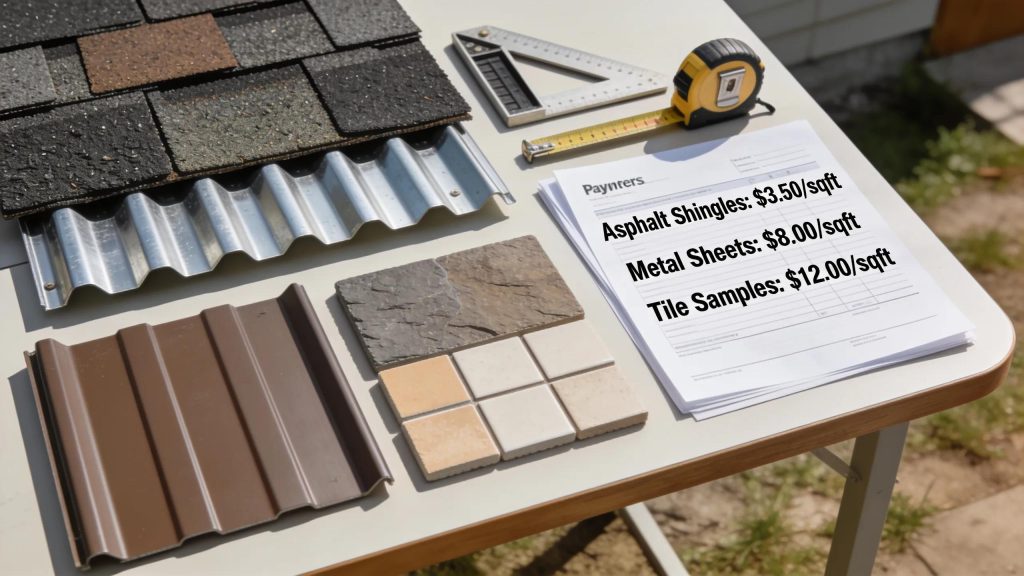
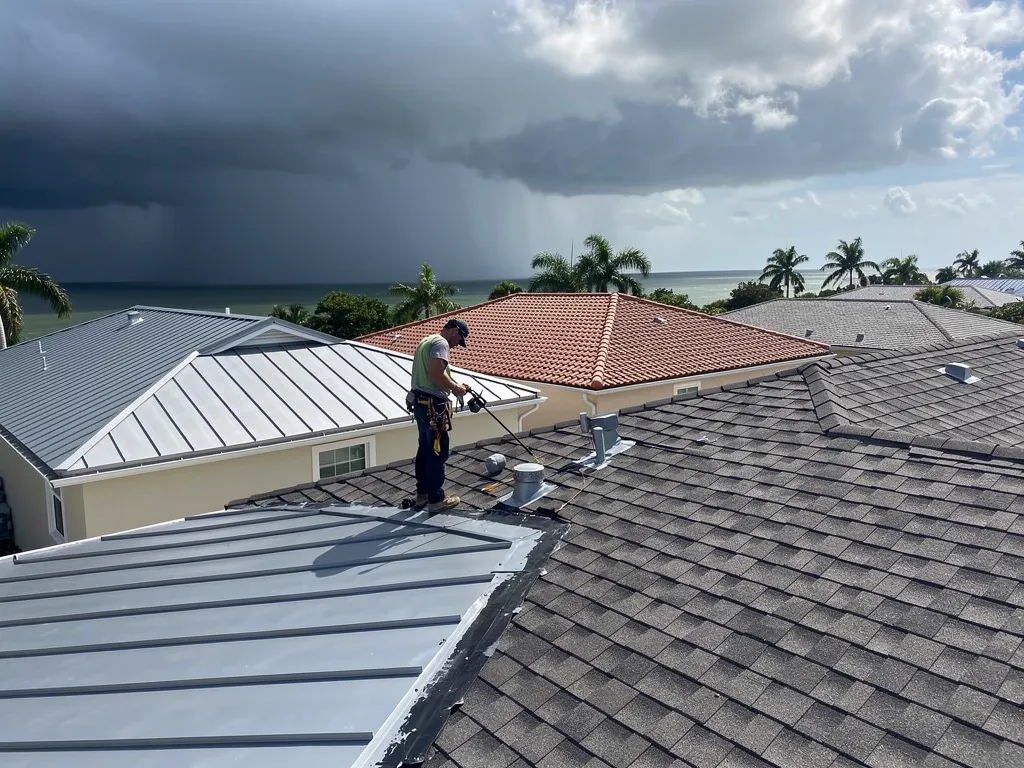
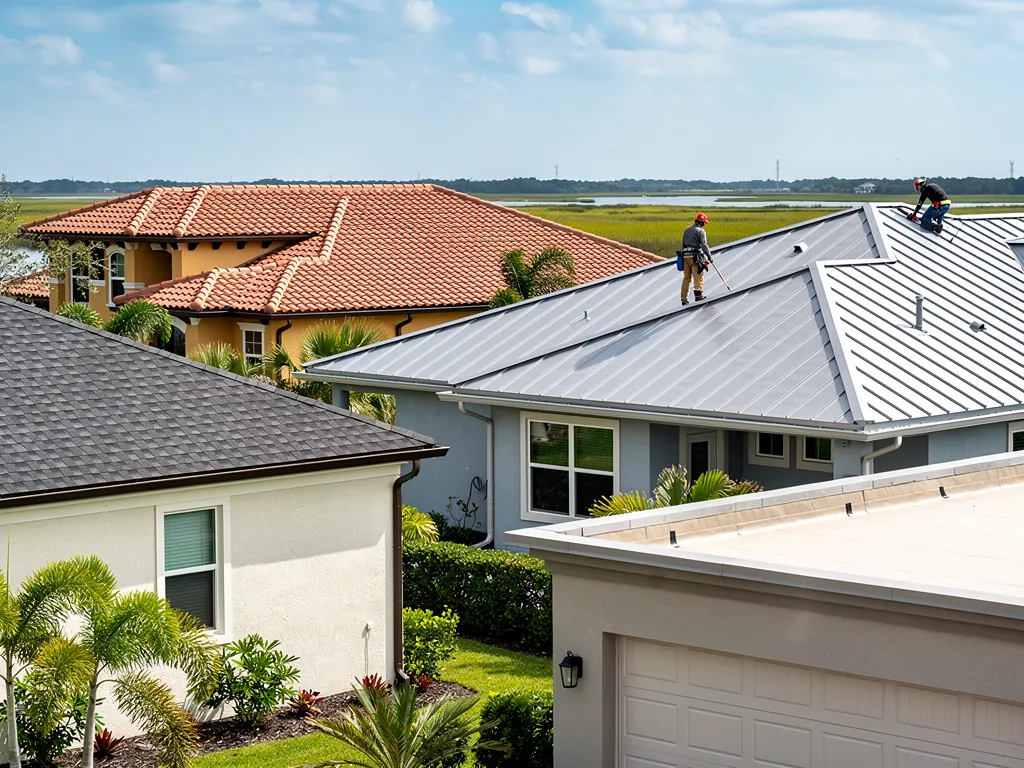
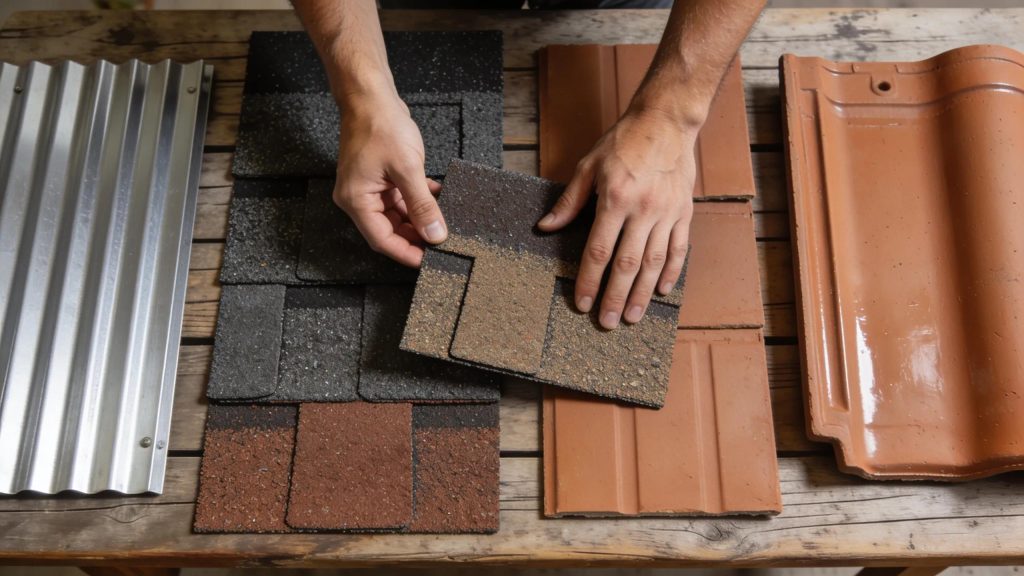
    Variety of roofing materials displayed, including asphalt shingles, metal roofing, and tile for homeowners to consider

    When it comes to roofing materials in Deltona, Florida, homeowners have several options, each with its benefits. The most popular types include:

    1. Asphalt Shingles: Known for their affordability and ease of installation, asphalt shingles are a common choice for many homeowners. They provide good protection against the elements and come in various colors.
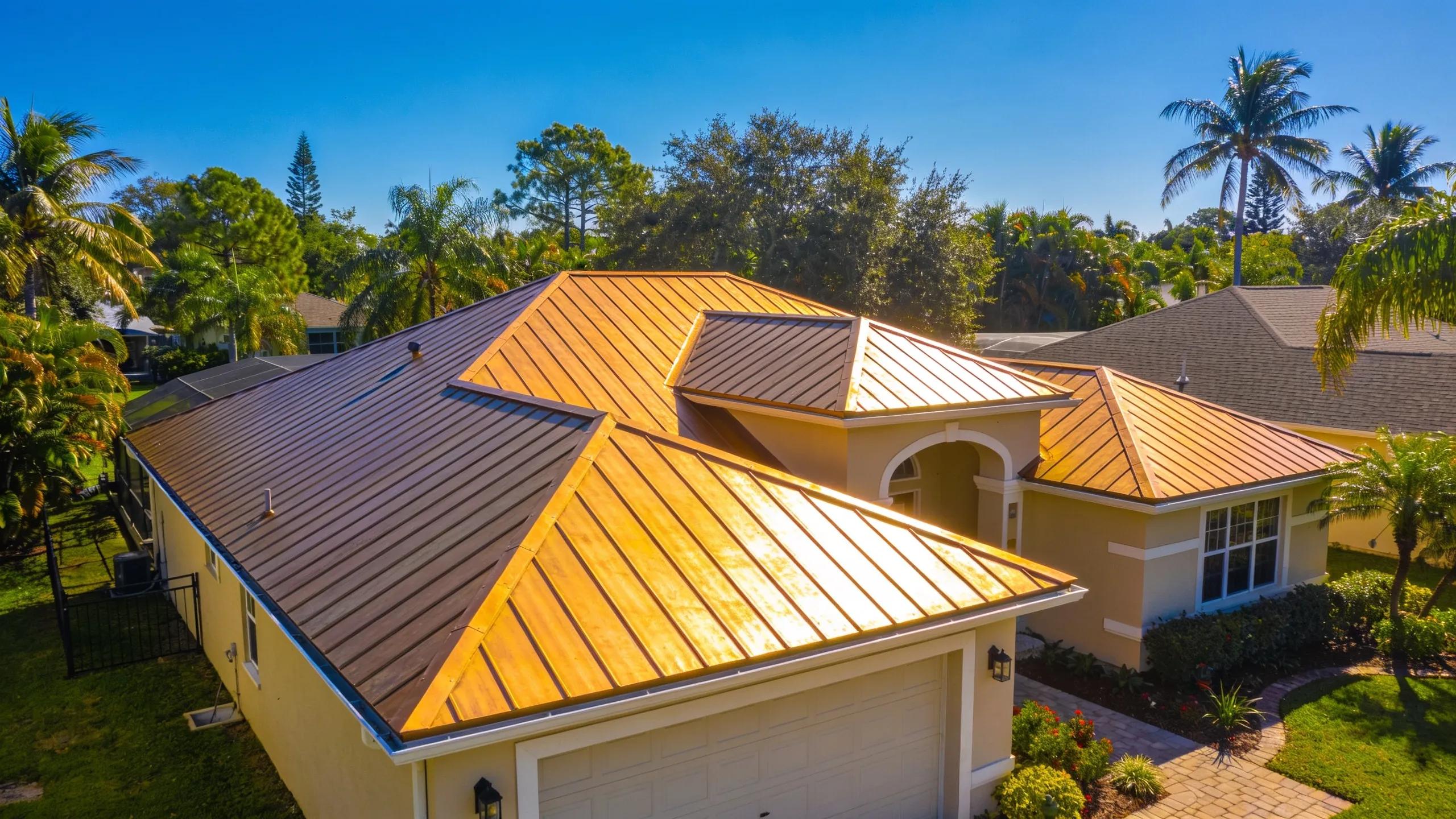
    2. Metal Roofing: Durable and energy-efficient, metal roofs can last 40-70 years. They are resistant to extreme weather and reflect the sun’s rays, reducing cooling costs in hot climates.
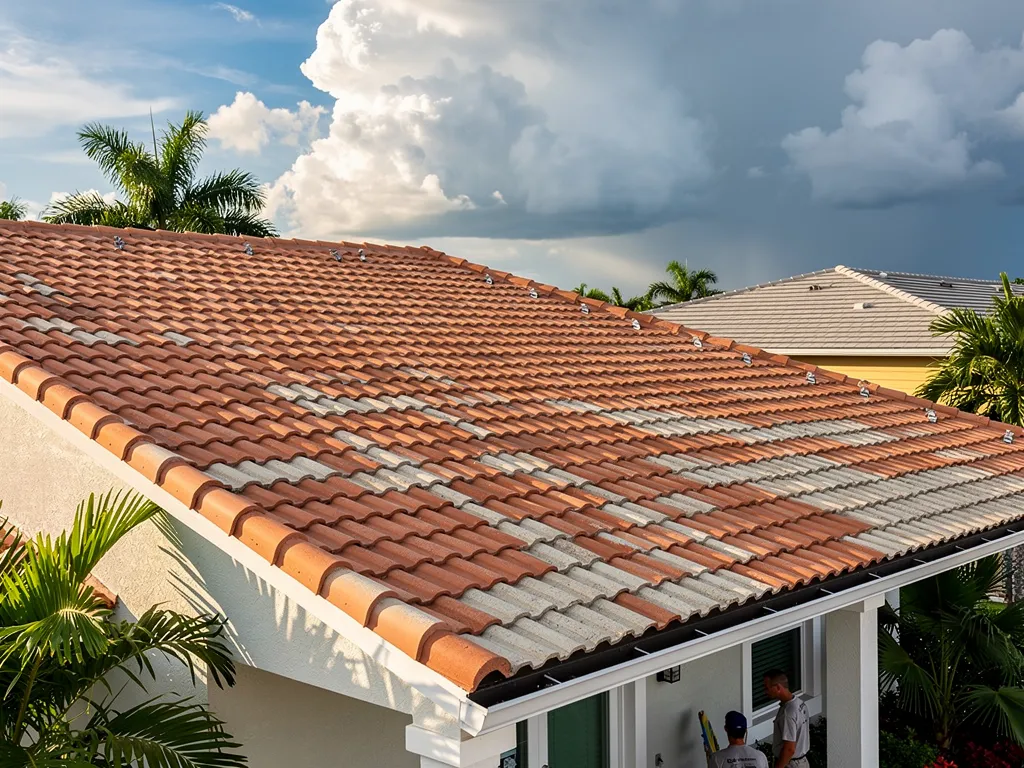
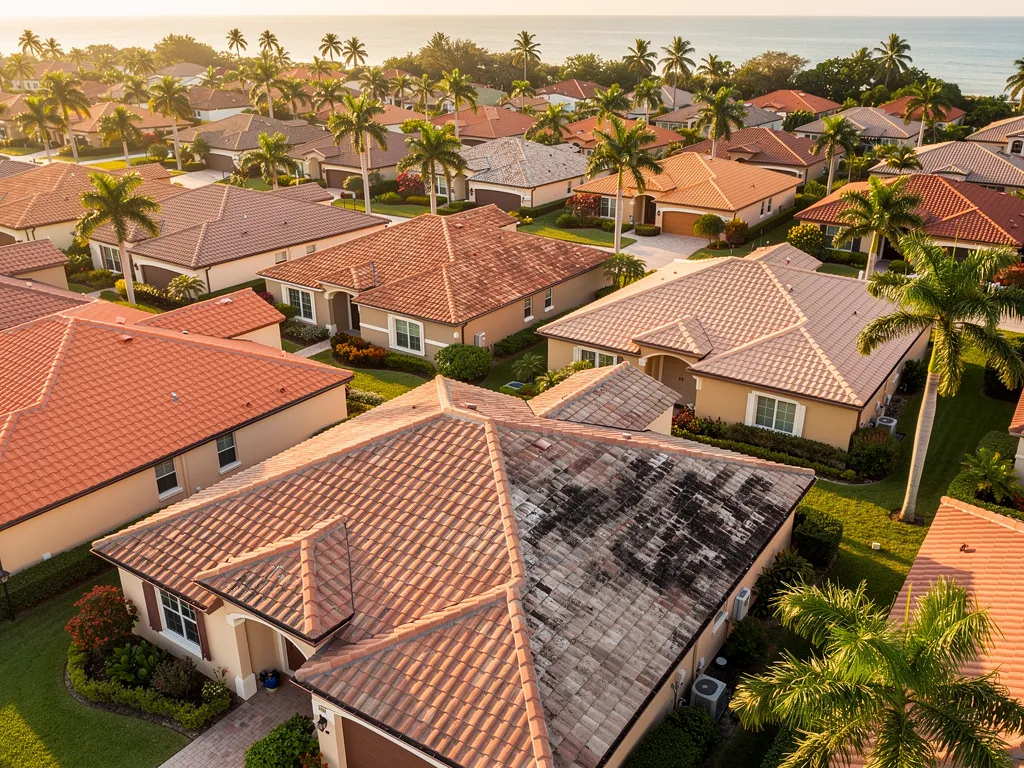
    3. Tile Roofing: Although typically more expensive, tile roofs offer a long-lasting, beautiful aesthetic that is particularly appealing in Florida. They can withstand high winds and have excellent longevity.
    4. Flat Roofing: Often used in commercial settings, flat roofs can be less expensive but might require more maintenance, particularly in heavy rain.

    Choosing the right roofing material affects not only aesthetics but also the long-term viability of your roof, making it vital to consider both your budget and the weather conditions typical to Deltona.

    Costs of Roof Repair and Replacement

    Understanding the costs associated with roof repair and replacement is crucial for homeowners. Here’s a breakdown of expected expenses:

    • Repair Costs: Ranging from $300 to $1,500, typically depending on the extent of damage and materials used.
    • Replacement Costs: For a complete roof replacement, homeowners should budget between $9,000 and $20,000, influenced by the materials selected and the roof’s size.

    Type of ServiceAverage Cost
    Roof Repair$300 – $1,500
    Roof Replacement$9,000 – $20,000

    Various factors influence these costs, including material type, roof size, and labor costs in the Deltona area. Discussing your options with a trusted roofing contractor can provide clarity on the most affordable approach for your home’s needs.

    Roofing Services Offered

    ROC Roofing provides a range of services tailored to meet the needs of Deltona homeowners. These services ensure that every aspect of roofing is addressed with professionalism and expertise. Some of the offerings include:

    • Free Roof Inspections: Essential for identifying potential issues before they escalate into costly repairs.
    • Emergency Repair Services: Immediate assistance for urgent roofing problems to prevent further damage.
    • Comprehensive Installation Services: From asphalt shingles to metal and tile roofs, ROC Roofing offers installation for various materials.

    To learn more about services tailored specifically for your roofing needs, you can reach out to ROC Roofing at (386) 960-7004 or email at [email protected].

    The Roof Replacement Process

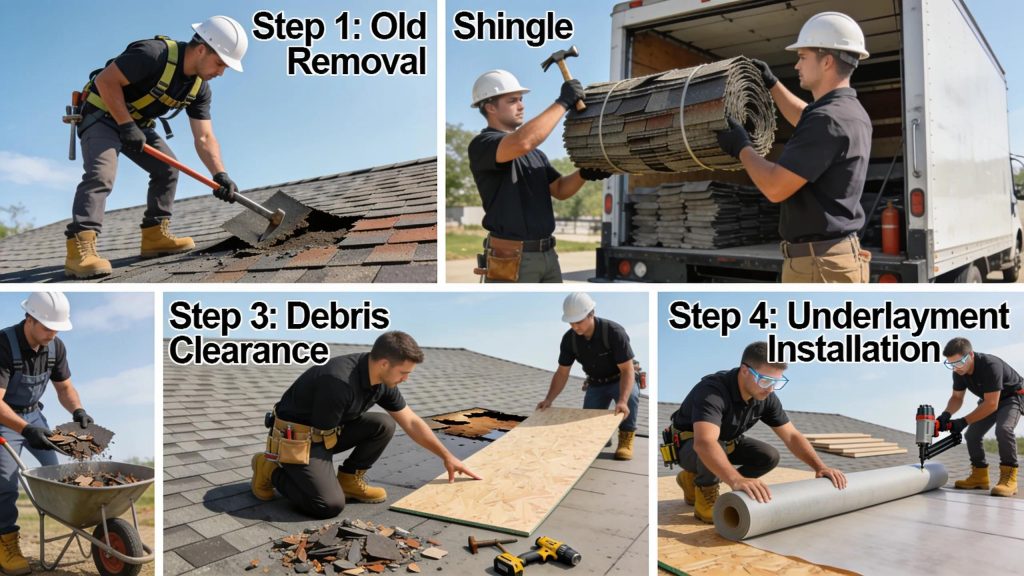
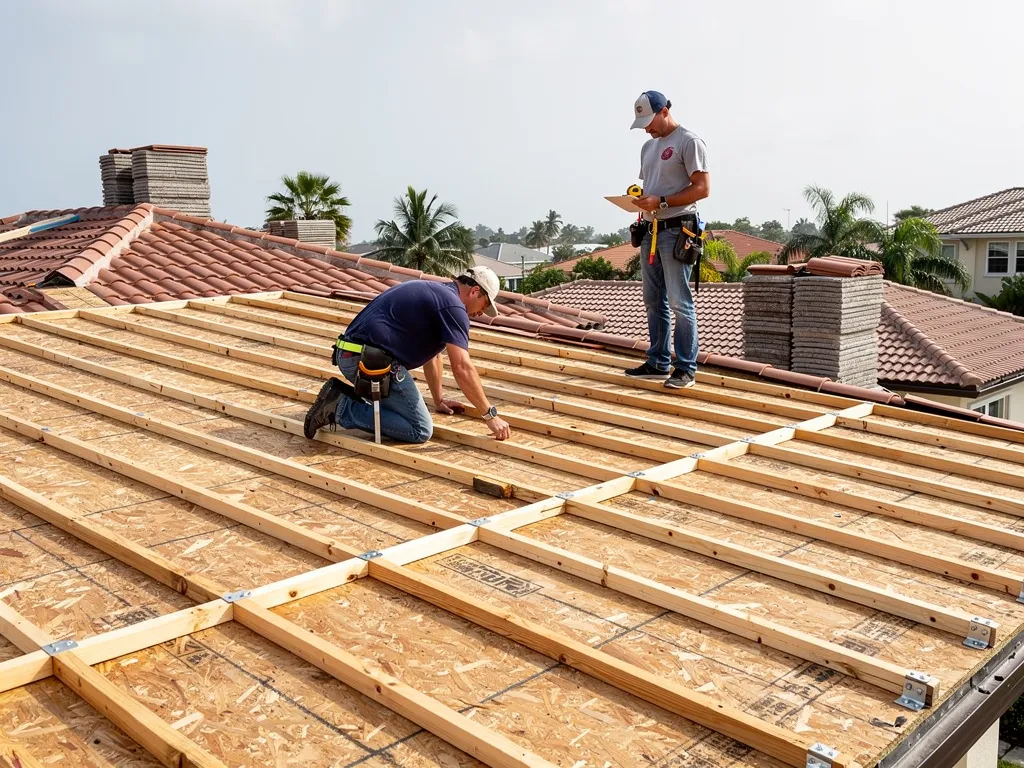
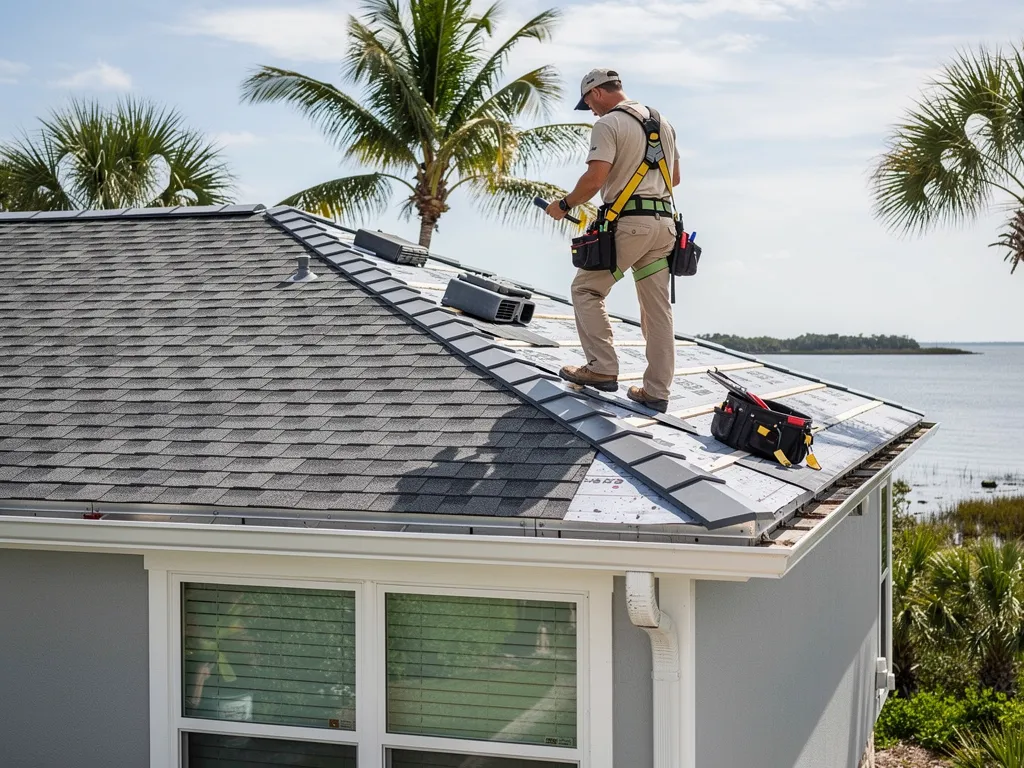
    Roofing professionals engaged in the roof replacement process, demonstrating the steps of removing and installing roofing materials

    A structured approach characterizes the roof replacement process, ensuring a smooth transition from your old roof to a new one. Several key steps are involved:

    1. Initial Inspection: A professional assessment helps determine whether a replacement is necessary and what materials are best.
    2. Planning and Preparation: Once approved, the project scope is planned, including timelines and logistical considerations.
    3. Removal of Old Roof: All existing roofing materials are carefully removed to prepare for the new installation.
    4. Installation of New Roofing: New materials are installed based on the chosen type, ensuring proper sealing and alignment.
    5. Final Walkthrough: A post-installation inspection ensures everything meets safety standards and homeowner satisfaction.

    Understanding this process helps homeowners feel more educated and prepared for the significant investment in roof replacement.

    Financing Options

    Financing options for roof repair and replacement can alleviate the burden of upfront costs for many homeowners. It’s vital to explore various financial assistance programs available in Deltona, which may include:

    • Home Improvement Loans: Often offer competitive rates tailored for repairs and renovations.
    • Credit Financing: Many roofing companies offer financing plans that allow payments to be made over time.
    • Government Programs: Certain programs may provide assistance for qualifying homeowners based on income or specific needs.

    Discussing financing with your contractor can open pathways to make necessary roofing updates more accessible without overwhelming financial strain.

    The importance of financial preparedness is underscored by broader initiatives aimed at enhancing community resilience in areas like Deltona.

    FEMA Resilience Frameworks for Deltona, FL Homeowners

    Drawing on FEMA resilience frameworks, insurance risk reduction research, and cooperative finance models, the study presents a pilot implementation in ZIP code 32738 (Deltona, FL). WHAT IT COULD LOOK LIKE IF “WE THE PEOPLE” TOOK OWNERSHIP OF OR LAND

    Maintenance Tips

    Proper maintenance can significantly extend the lifespan of your roof. Here are some essential tips for homeowners in Deltona:

    1. Regular Inspections: Schedule annual inspections to identify issues before they become major problems.
    2. Gutter Cleaning: Keep gutters free of debris to ensure proper drainage and avoid water damage.
    3. Trim Overhanging Branches: Prevent damage from falling branches by trimming trees close to your home.
    4. Check for Leaks: Regularly examine ceilings and walls for signs of leaks or water damage to catch problems early.

    Implementing these maintenance strategies not only protects your investment but ensures your home remains safe against the elements.

    Contact Information

    For any roofing needs in Deltona, contacting ROC Roofing to schedule a consultation is simple. Reach out via phone at (386) 960-7004 or email at [email protected]. Additionally, visit their location at 620 S. Volusia Avenue, Orange City, FL 32763 to speak with a roofing professional in person.

    With the right knowledge and support from experienced professionals, homeowners can navigate the complexities of roof repair and replacement confidently. By making informed decisions, you’ll ensure your home remains well-protected against Florida’s climate.

  • Comprehensive Roof Repair & Replacement Guide for DeLand, FL Homeowners: Costs, Contractors, and Inspection Insights

    Comprehensive Roof Repair & Replacement Guide for DeLand, FL Homeowners: Costs, Contractors, and Inspection Insights

    Roof maintenance is crucial for DeLand, FL homeowners to ensure safety and longevity. An improperly maintained roof can lead to costly repairs, potential damage to the home interior, and even health hazards due to leaks and mold growth. In this comprehensive guide, homeowners will learn about roof repair and replacement, including typical costs, choosing the right contractors, and essential inspection insights. sections will be covered: typical roof repair costs, choosing the best contractors, steps in a roof inspection, and what homeowners should know about replacement materials. By being informed, homeowners can make better decisions about the health of their roofs, ultimately protecting their investments and ensuring safety.

    What Are the Typical Roof Repair Costs in DeLand, FL?

    Various roofing materials showcasing asphalt shingles, metal, and tile samples with cost estimation tools.

    Roof repair costs can vary widely based on numerous factors. Homeowners in DeLand can expect to pay between $1,000 to $3,000 for typical roof repairs. It’s important to understand what drives these costs to effectively budget for maintenance.

    Which Factors Influence Roof Repair Pricing in DeLand?

    Several key factors come into play when assessing roof repair pricing:

    1. Material Choice: The type of roofing material selected can significantly impact costs.
    2. Roof Design: Complex roof designs may require more labor and materials, increasing the overall price.
    3. Inspection and Hidden Damage: Initial inspections may reveal hidden damage, which can lead to unexpected costs.

    Understanding these factors helps homeowners plan financially for necessary roof repairs.

    How Does Storm Damage Impact Repair Expenses?

    Storm damage can drastically affect repair expenses, often leading to higher costs than anticipated. Homeowners might find that insurance claims will cover some of these expenses, but hidden damages may increase the overall repair needs, leading to potential financial surprises. Being proactive and prepared after a storm can help mitigate these costs.

    How to Choose the Best Roofing Contractors in DeLand, FL?

    Selecting the right roofing contractor is paramount for successful repairs and replacements. With many options available, homeowners should prioritize factors such as qualifications, local experience, and client reviews to ensure they receive quality service.

    What Qualifications and Licenses Should DeLand Roofers Have?

    When choosing a roofing contractor, it’s essential to verify:

    • Required Licenses: Ensure that the contractor holds the necessary state licensing to operate in Florida.
    • Insurance and Bonding: Contractors should be insured and bonded to protect homeowners from liability.
    • Verifying Credentials: Always check the contractor’s qualifications and any certifications they may have earned.

    Why Is Local Experience Key for Central Florida Roof Repair?

    Local experience plays a vital role in ensuring effective service. Contractors familiar with DeLand’s unique weather patterns and building codes can provide more reliable and efficient service. They are also more likely to have established relationships with suppliers, which can lead to better pricing and materials.

    What Are the Steps in a Professional Roof Inspection in DeLand?

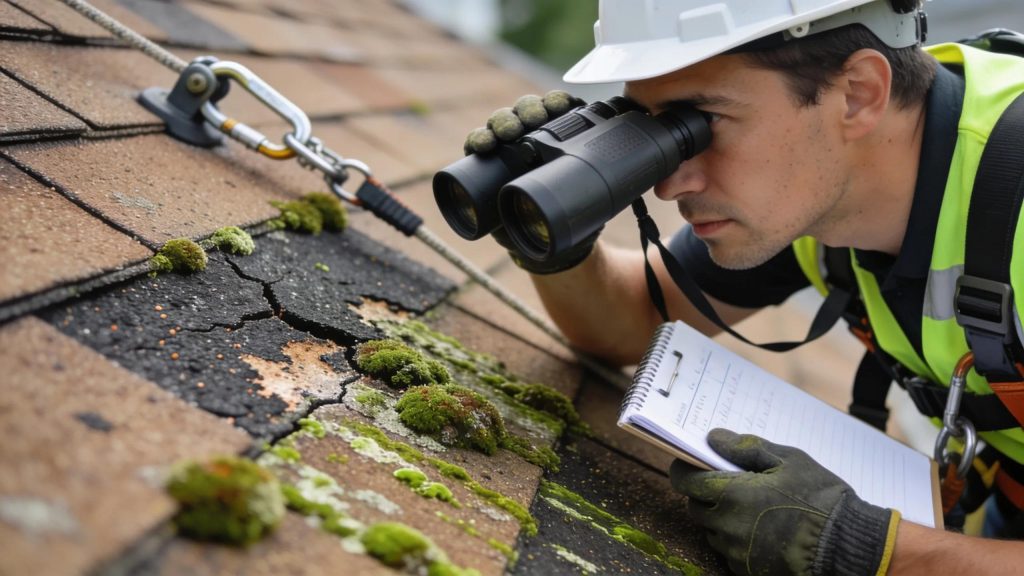
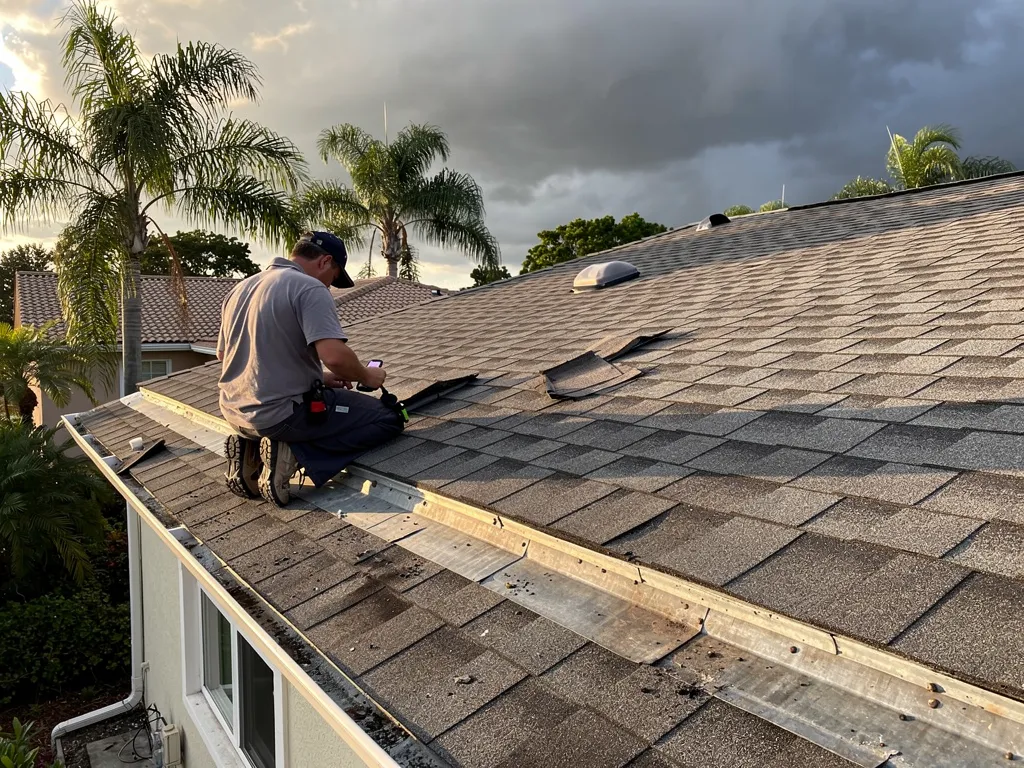
    Contractor conducting a thorough roof inspection, highlighting professional tools and common roofing issues.

    A professional roof inspection typically involves a systematic assessment by qualified personnel. Inspections are crucial for identifying potential issues before they escalate into costly repairs.

    How Often Should Homeowners Schedule Roof Inspections?

    Homeowners are advised to have their roofs inspected at least once a year, particularly after severe weather events. Regular inspections can help detect problems early, preserving the roof’s integrity and extending its lifespan.

    What Common Issues Do Inspections Detect Early?

    Roof inspections commonly reveal several crucial issues that can be addressed before they worsen:

    • Water Damage Signs: Indications of leaks that could lead to more significant structural problems.
    • Roofing Material Failures: Problems such as missing shingles or degraded flashing.
    • Structural Integrity Concerns: Issues in the framework supporting the roof that may need immediate attention.

    What Should You Know About Roof Replacement Costs and Materials in Florida?

    Replacing a roof is a significant investment for homeowners in Florida. The cost factors involved in replacing a roof include the type of materials used, labor involved, and the roof’s size.

    Which Roofing Materials Offer Best Durability in Central Florida?

    Different roofing materials offer varying levels of durability:

    Material TypeAverage CostLifespan
    Asphalt Shingles$9,000 to $16,00015-30 years
    Metal Roofing$15,000 to $25,00040-70 years
    Tile Roofing$20,000 to $40,00050+ years

    Opting for materials that withstand Florida’s climate, such as metal or tile roofing, can provide long-term financial benefits.

    Some homeowners may wish to contact ROC Roofing for their roofing needs. As a company specializing in roof repair and replacement in DeLand, they can provide expert guidance and service tailored to local conditions.

    How Can Financing Options Help With Roof Replacement?

    Many homeowners may find financing options beneficial when replacing their roofs. Available methods can enhance affordability, providing homeowners with the flexibility to manage payments while ensuring their roofs remain in good condition. Exploring different financing avenues can make substantial roofing projects more manageable.

    This guide serves as a foundational resource for DeLand homeowners regarding roof repair and replacement. With diligent upkeep, proper inspection, and informed decision-making, homeowners can significantly enhance the longevity and effectiveness of their roofs.

  • Commercial Roofing Florida: Durability & Protection

    Commercial Roofing Florida: Durability & Protection

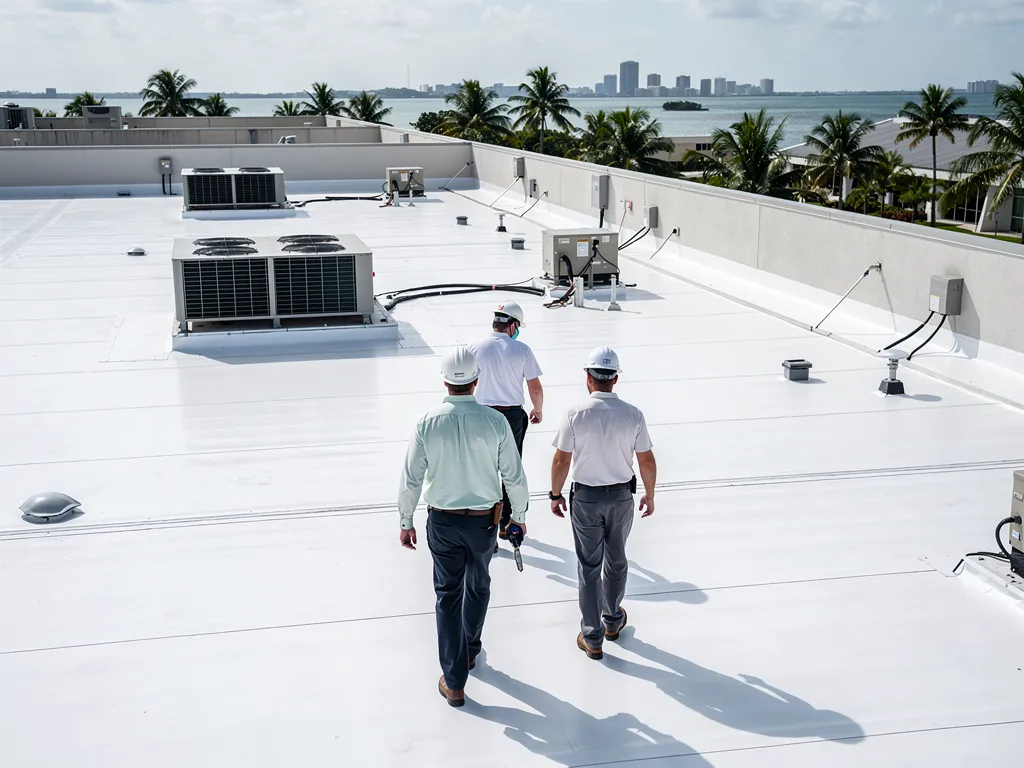
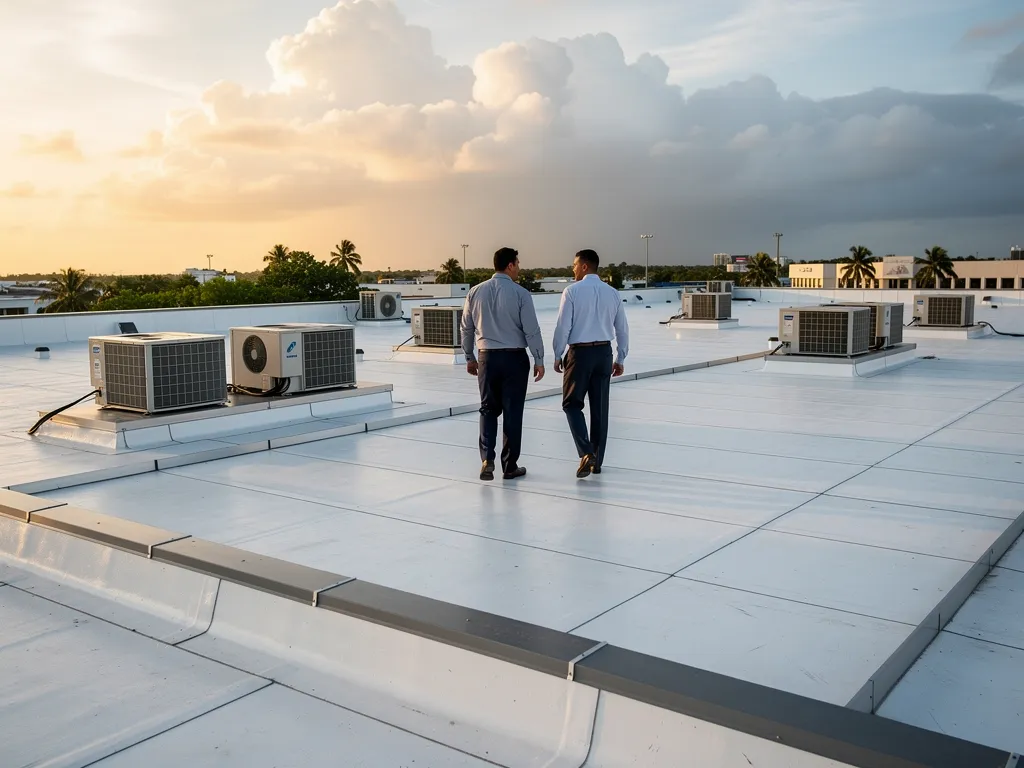
    Florida commercial roofing demands systems built for hurricane resistance, energy efficiency, and long-term durability. ROC Roofing, a Central Florida contractor with over 20 years of experience, installs TPO, metal, and tile roofs designed to protect business properties. Commercial roofing Florida solutions meet strict Florida building codes while reducing operational costs.

    Key Takeaways

    • Florida commercial roofing requires systems engineered for hurricane resistance, energy efficiency, and long-term durability.
    • The Florida Building Code mandates high-wind resistance and impact-rated assemblies for all commercial roofing systems.
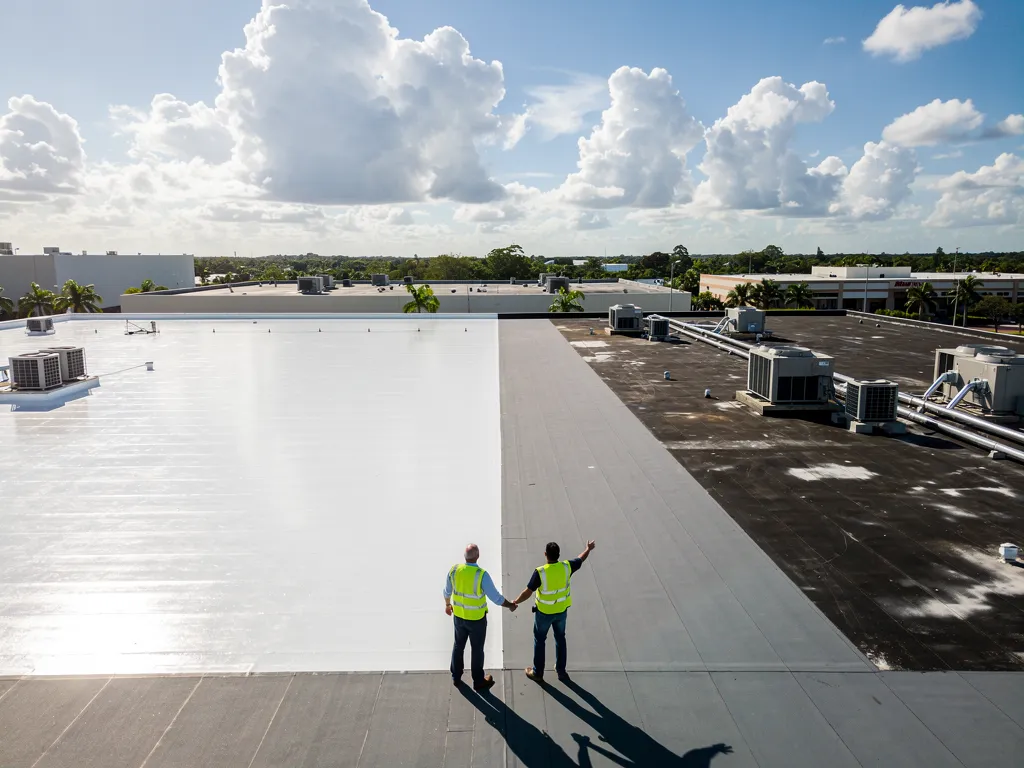
    • TPO single-ply membrane leads the energy-efficient category with its reflective white surface reducing cooling loads.
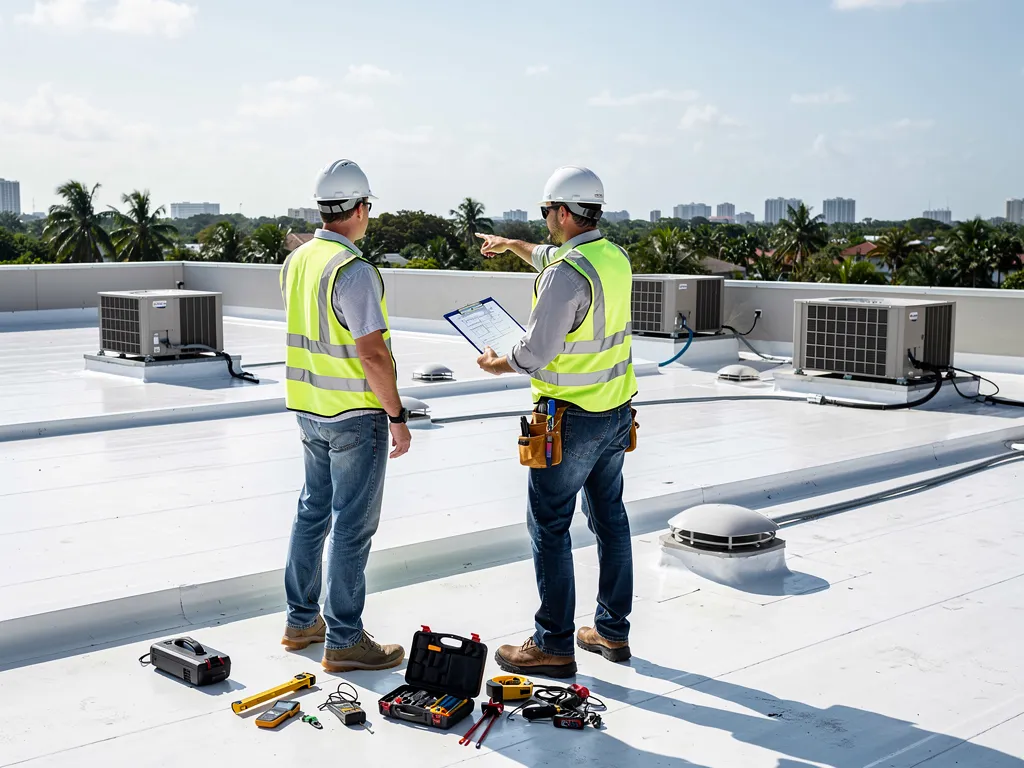
    • A commercial roof inspection performed by an experienced local team catches vulnerabilities that out-of-state crews frequently overlook.

    What makes commercial roofing in Florida different?

    What makes commercial roofing in Florida different

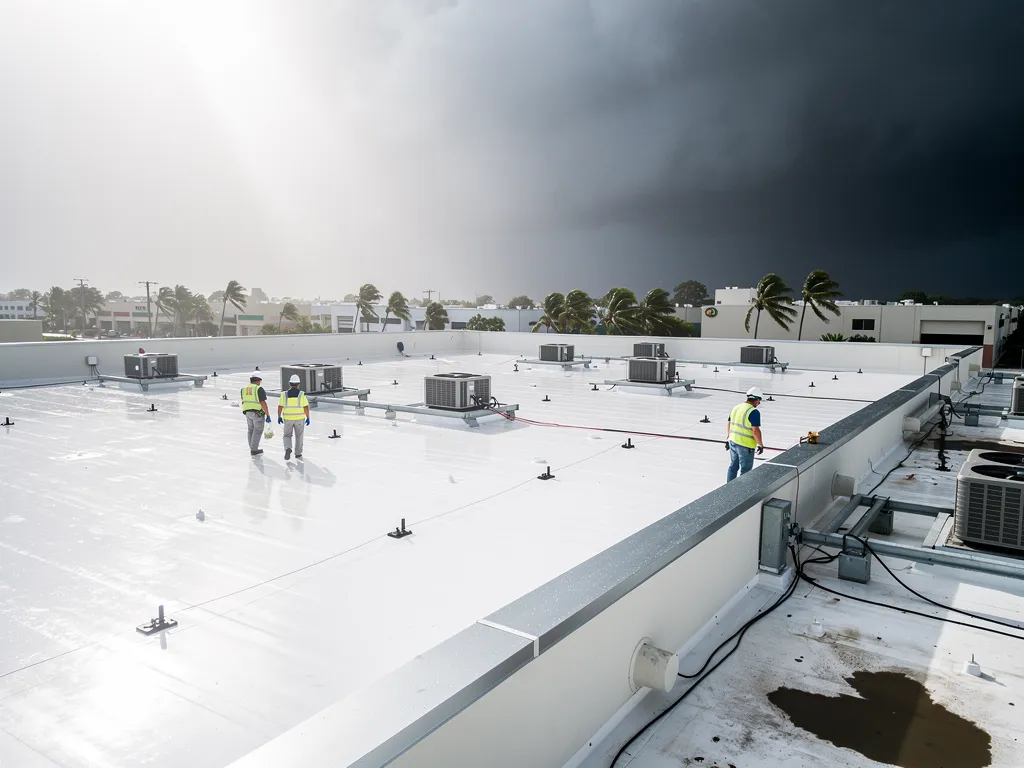
    Florida’s climate imposes relentless stress on commercial buildings. Intense heat, torrential rain, and hurricane-force winds demand roofing systems engineered specifically for survival. A standard installation from another region fails quickly here. The state’s unique conditions require materials, installation methods, and maintenance schedules that account for constant UV exposure and sudden, violent storms.

    Commercial roofing contractors in Florida must navigate strict building codes. The Florida Building Code mandates high-wind resistance and impact-rated assemblies. Baker Roofing Company of Orlando notes that its teams hold Florida GC licensure and know local building codes thoroughly. Compliance is not optional. A roof that meets these standards protects the structure and keeps the business operational when a storm hits.

    Why does Florida’s weather shorten a commercial roof’s lifespan?

    Heat and moisture work together to degrade roofing materials faster than in temperate zones. UV radiation breaks down membranes. Ponding water from heavy rains accelerates deterioration. Without a system built for these conditions, a commercial roof replacement becomes necessary years ahead of schedule.

    What happens when a commercial roof fails during a storm?

    Water intrusion halts operations immediately. Inventory, equipment, and interior finishes suffer damage. The business loses revenue for every hour the doors stay closed. A resilient roof prevents this cascade of losses. ROC Roofing installs systems designed to protect and enhance business property, using materials that withstand Florida’s heat, rain, and storms. For property managers evaluating their options, the company’s commercial roofing services cover TPO, metal, and flat roof installations built for local conditions.

    Which commercial roofing system is best for Florida?

    Which commercial roofing system is best for Florida

    No single system wins for every Florida commercial building. The right choice balances budget, building structure, and storm resilience. A facility manager loses thousands in premature replacement costs when the wrong membrane traps heat or fails under hurricane winds.

    Commercial roofing contractors in Florida typically recommend three proven systems for the state’s punishing climate. TPO single-ply membrane dominates the energy-efficient category. Its reflective white surface cuts cooling loads during Florida’s long summers. Modified bitumen delivers multi-layer waterproofing that stands up to ponding water on low-slope roofs. For longevity, standing seam metal roofing resists 150-mph wind uplift and sheds debris without tearing.

    How does TPO compare to modified bitumen for Florida flat roofs?

    TPO costs less upfront and reflects heat better. Modified bitumen offers superior puncture resistance and easier flat roof repair when damage occurs, since individual layers can often be patched without disturbing the whole system. Both systems perform well on the low-slope commercial roofs common across Florida, and the right pick often comes down to a building’s specific traffic, equipment load, and drainage pattern.

    Is metal roofing worth the investment for commercial buildings?

    Metal roofing delivers decades of service with minimal maintenance. The interlocking seam design prevents wind-driven rain intrusion during tropical storms, a common failure point for lower-grade systems. Higher material costs offset over decades through reduced repair frequency and lower insurance premiums, making metal a sound long-term investment for owners planning to hold a property for years to come.

    How do I choose a commercial roofing contractor in Florida?

    How do I choose a commercial roofing contractor in Florida

    Selecting a commercial roofing contractor in Florida requires verifying local experience, proper licensure, and a documented history of quality workmanship. A wrong choice leads to code violations, premature roof failure, and operational disruptions that cost far more than the initial project savings.

    What credentials should a Florida commercial roofing contractor hold?

    Florida’s building codes and hurricane exposure make credentials non-negotiable. A qualified contractor holds state-required licensure and carries both liability insurance and workers’ compensation coverage. ROC Roofing operates as a locally owned and operated company with over 20 years of experience serving Central Florida, ensuring familiarity with regional code requirements and weather demands that out-of-state firms often miss.

    How do I evaluate a contractor’s track record?

    Look beyond marketing claims. Request a portfolio of completed commercial roof installation and commercial roof replacement projects similar in scope to the property in question. Verify references from facility managers who can speak to timeliness, cleanup practices, and post-installation responsiveness. A contractor offering both emergency storm damage repair and regular maintenance demonstrates the full-service capability needed for Florida’s volatile climate, rather than a one-time crew that disappears after the invoice is paid.

    Why does local experience matter for commercial roofing?

    Local contractors understand Florida’s specific challenges: high winds, intense UV exposure, and heavy seasonal rainfall. This knowledge shapes material recommendations and installation techniques. A commercial roof inspection performed by an experienced local team catches vulnerabilities that out-of-state crews overlook. Timely commercial roof repair identified during these inspections prevents minor leaks from escalating into full commercial roof replacement scenarios. For flat roof repair on low-slope commercial buildings, local expertise proves especially critical, as improper drainage leads to ponding water and structural damage that worsens with every passing storm season.

    FAQ

    What makes commercial roofing in Florida different?

    Florida’s climate demands systems engineered for hurricane resistance, energy efficiency, and long-term durability, and the Florida Building Code mandates high-wind resistance and impact-rated assemblies.

    Conclusion

    Conclusion

    Florida’s climate demands a commercial roof built for survival, not just shelter. Property managers who invest in a system engineered for local conditions and installed by a contractor with proven local experience protect their operations from costly storm disruptions and premature failure. The right choice today prevents a cascade of losses tomorrow. Schedule a professional inspection to evaluate your current system and plan for the long term.

  • Protecting Your Home From Roof Leaks Florida

    Protecting Your Home From Roof Leaks Florida

    Florida homeowners facing heavy rain roof leaks need immediate action to prevent costly interior damage, including roof leak repair florida services. ROC Roofing, a Central Florida contractor with over 20 years of experience, provides emergency storm damage repair and full roof replacements across Brevard, Volusia, and Orange counties, including roof leak repair daytona beach. Seasonal downpours and tropical systems put every roof in the region at risk, and recognizing early roof water damage signs, a ceiling stain, a soft spot underfoot, or a musty attic smell, helps homeowners act before a small leak spreads. Quick response stops active leaks and protects homes from further water intrusion.

    Key Takeaways

    • Water travels along rafters and insulation paths, dripping through ceilings several feet from the actual roof breach.
    • Roof penetrations, valleys, flashing seams, and aged shingles fail before the roof deck itself during heavy rain.
    • Placing buckets under every active drip point contains water and prevents secondary damage to drywall and flooring.
    • Professional inspections before hurricane season catch damaged flashing and cracked shingles that become emergency leaks.

    What Makes Florida Roofs Leak During Heavy Rain?

    What Makes Florida Roofs Leak During Heavy Rain

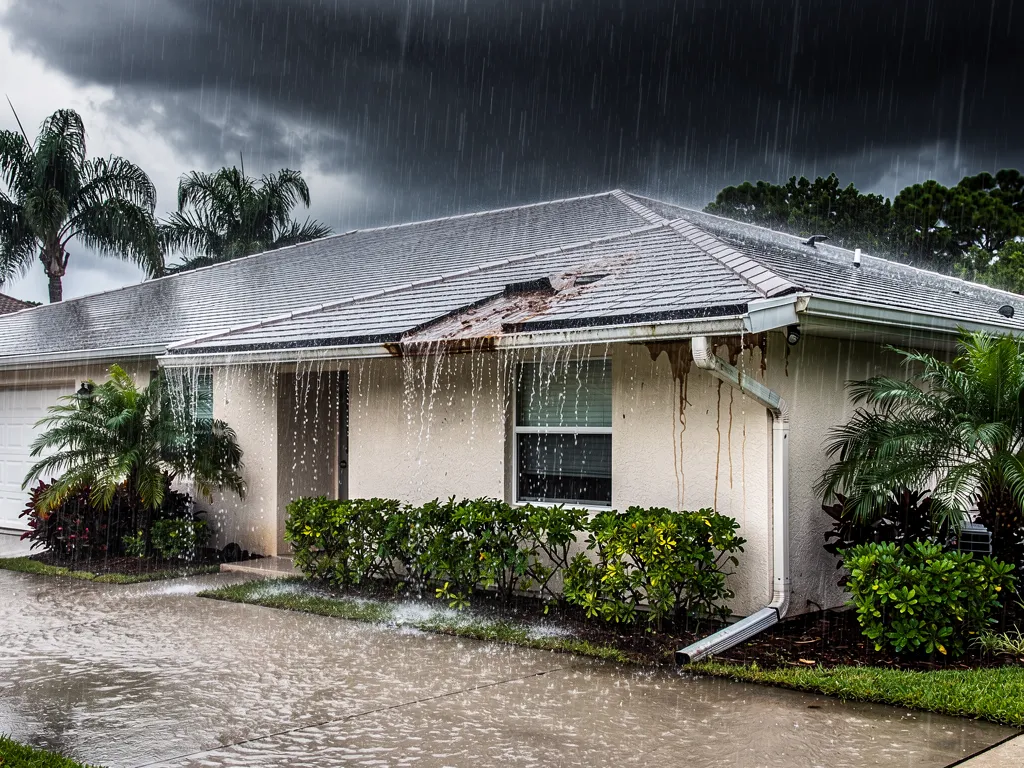
    Florida’s thunderstorm season, running roughly May through October, delivers rainfall intense enough to overwhelm most roof drainage systems. A single storm delivers rainfall that overwhelms most roof drainage systems. When that volume hits a compromised roof, the damage begins immediately. Tropical downpours often drop several inches of rain in under an hour, and a roof that handled light showers without issue can fail under that kind of sustained pressure. Understanding how water actually moves through a roof assembly, and which components give out first, helps homeowners spot trouble before it becomes a full interior repair.

    Why do leaks only appear during the heaviest downpours?

    Water rarely enters a home at the same spot it breaches the roof. It travels along rafters, follows insulation paths, and drips through the ceiling several feet away from the actual opening. A small crack near a vent pipe becomes a ceiling stain above the living room couch. This hidden migration makes heavy rain roof damage difficult to diagnose without professional equipment.

    Which roof areas fail first under Florida storm conditions?

    Several vulnerable points give way before the roof deck itself does:

    • Roof penetrations: vent pipes, skylights, and chimneys create natural gaps where sealant degrades under UV exposure and driving rain
    • Valleys and flashing seams: these channels collect and direct water, concentrating wear at the exact points where two roof planes meet
    • Aged or lifted shingles: wind-driven rain exploits even slight adhesion failures, pushing moisture underneath the protective layer

    Storm damage roof repair addresses these failure points before secondary damage spreads. A thorough roof inspection identifies compromised flashing and penetration seals that homeowners cannot see from the ground. For properties in Volusia County, a qualified roofing contractor provides roof repair services that stop active leaks and reinforce vulnerable areas against the next downpour.

    What Should You Do When a Leak Starts?

    What Should You Do When a Leak Starts

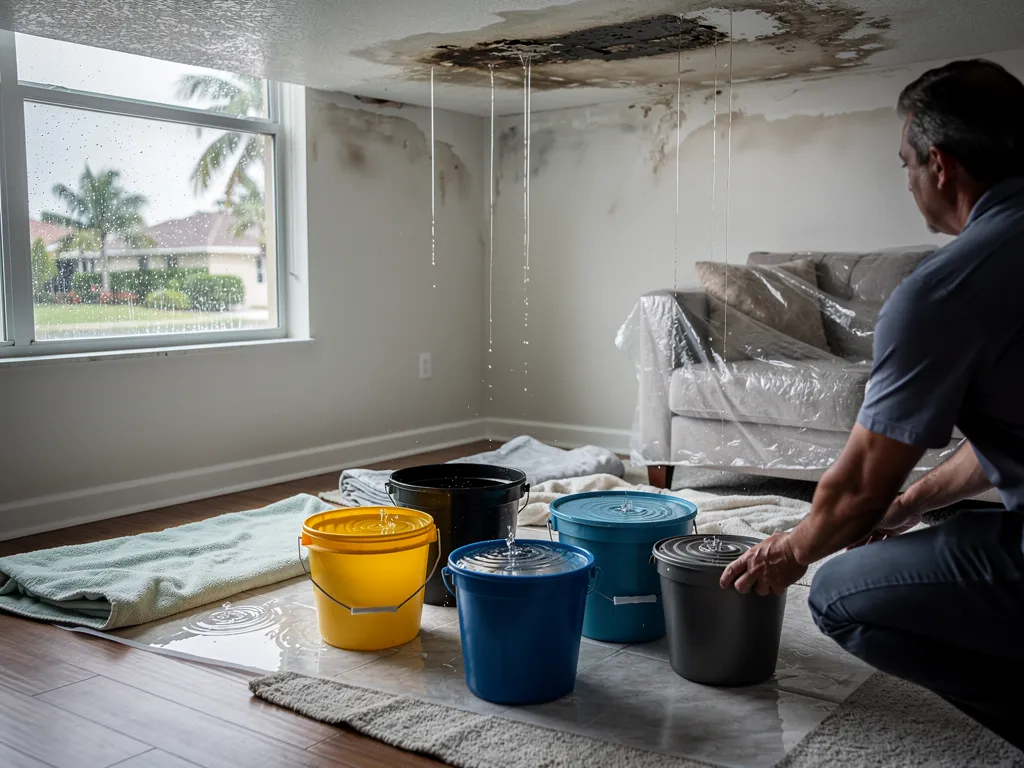
    A roof leak during a Florida downpour demands immediate, methodical action. The first priority is containing water before it spreads. Place buckets or containers under every active drip point, as more leaks often appear while rain continues. Secondary water damage to drywall, insulation, flooring, and furniture escalates rapidly without quick intervention.

    How do you contain water from a ceiling leak?

    Position containers directly beneath each drip. Water travels along rafters and drips several feet from the actual roof breach. Check adjacent rooms and closets for additional entry points. Move furniture and electronics away from wet areas immediately.

    Is it safe to climb onto the roof during a storm?

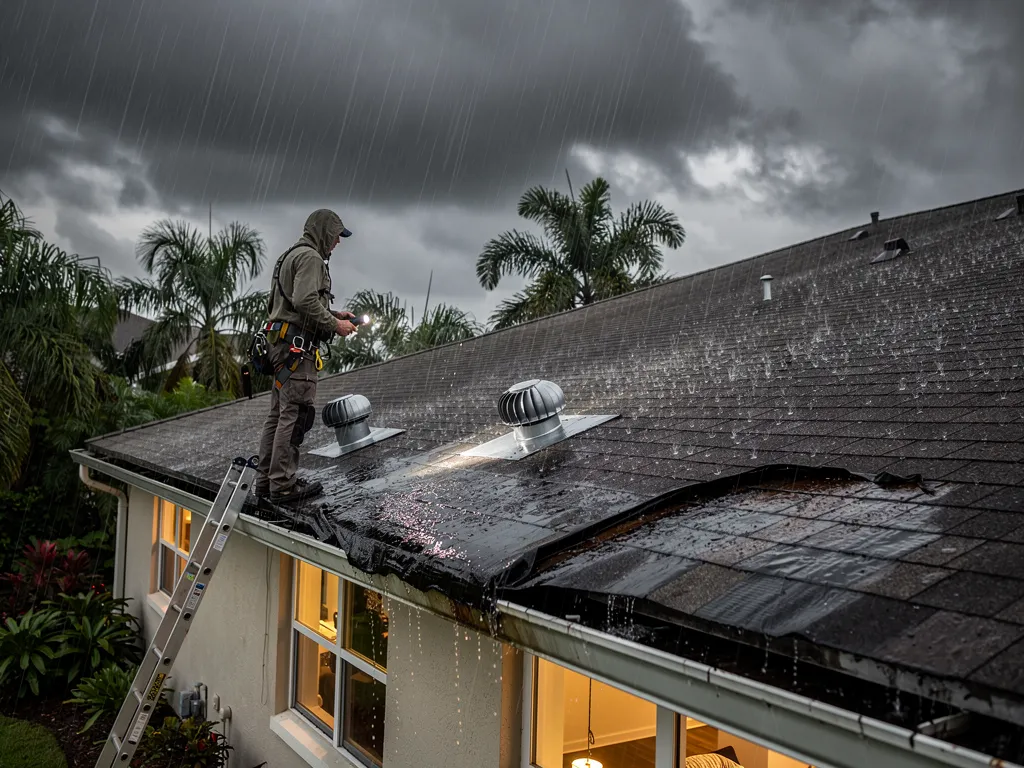
    No. Attempting DIY roof climbs during active rain creates serious fall hazards. Wet shingles and metal flashing become extremely slippery. Lightning risk across Central Florida makes any elevated outdoor work dangerous. Instead, schedule an emergency professional inspection and tarping once the storm passes. A qualified roofing contractor Volusia County homeowners trust can assess damage safely and install temporary protection to prevent further water intrusion.

    How Can You Prevent Leaks Before the Next Storm?

    How Can You Prevent Leaks Before the Next Storm

    Preventing roof leaks florida storms cause starts with proactive maintenance, not reactive repairs. A professional roof inspection florida homeowners schedule before hurricane season identifies vulnerable failure points like damaged flashing, cracked shingles, and aging underlayment. These small defects become emergency heavy rain roof damage once a tropical system moves through. Catching them early keeps water where it belongs: outside the home.

    What Does a Pre-Storm Roof Inspection Cover?

    Inspectors examine exterior checkpoints that commonly fail during downpours. Damaged flashing around chimneys and vents allows water to seep behind the roofing material. Cracked or missing shingles expose the underlayment to direct rainfall. Clogged gutters force water to pool at the roof edge, where it finds entry through fascia boards and soffits.

    How Long Do Florida Roofs Last Before Needing Replacement?

    Material choice directly affects leak resistance over time. Shingle roofs typically last 15–20 years, while metal and tile can last 40+ years with proper care. A roof nearing the end of its service life demands closer monitoring before storm season arrives, since worn materials lose their ability to shed wind-driven rain even when no visible damage is obvious from the ground. Homeowners who track their roof’s age alongside its inspection history make better decisions about repair versus replacement when storm season approaches.

    ROC Roofing offers complimentary inspections to check for leaks, storm damage roof repair needs, and overall condition. Homeowners in Volusia County and surrounding areas benefit from a roofing contractor volusia county residents trust for thorough assessments. Scheduling an inspection before the next heavy rain prevents minor vulnerabilities from becoming interior water disasters.

    FAQ

    Why do leaks only appear during the heaviest downpours?

    Water travels along rafters and insulation paths, dripping through the ceiling several feet away from the actual roof breach.

    Conclusion

    Conclusion

    A roof leak during a Florida downpour does not wait for a convenient time to start, so the decision to act before the next storm determines whether that water stays outside or ends up inside your home. A professional inspection identifies the vulnerable penetrations, flashing seams, and aged shingles that fail first under heavy rain, turning a small defect into an emergency. Scheduling that inspection now stops the hidden water migration that turns a minor breach into costly interior damage. For homeowners across Brevard, Volusia, Orange, Seminole, Stewart, and Indian River counties, proactive roof care is the difference between a routine maintenance visit and an emergency call during the next tropical system.

  • How Florida Weather Impacts Your Shingle Roof: Roofing Services

    How Florida Weather Impacts Your Shingle Roof: Roofing Services

    By ROC Roofing Inc. Editorial Team · Updated 2026-08-17

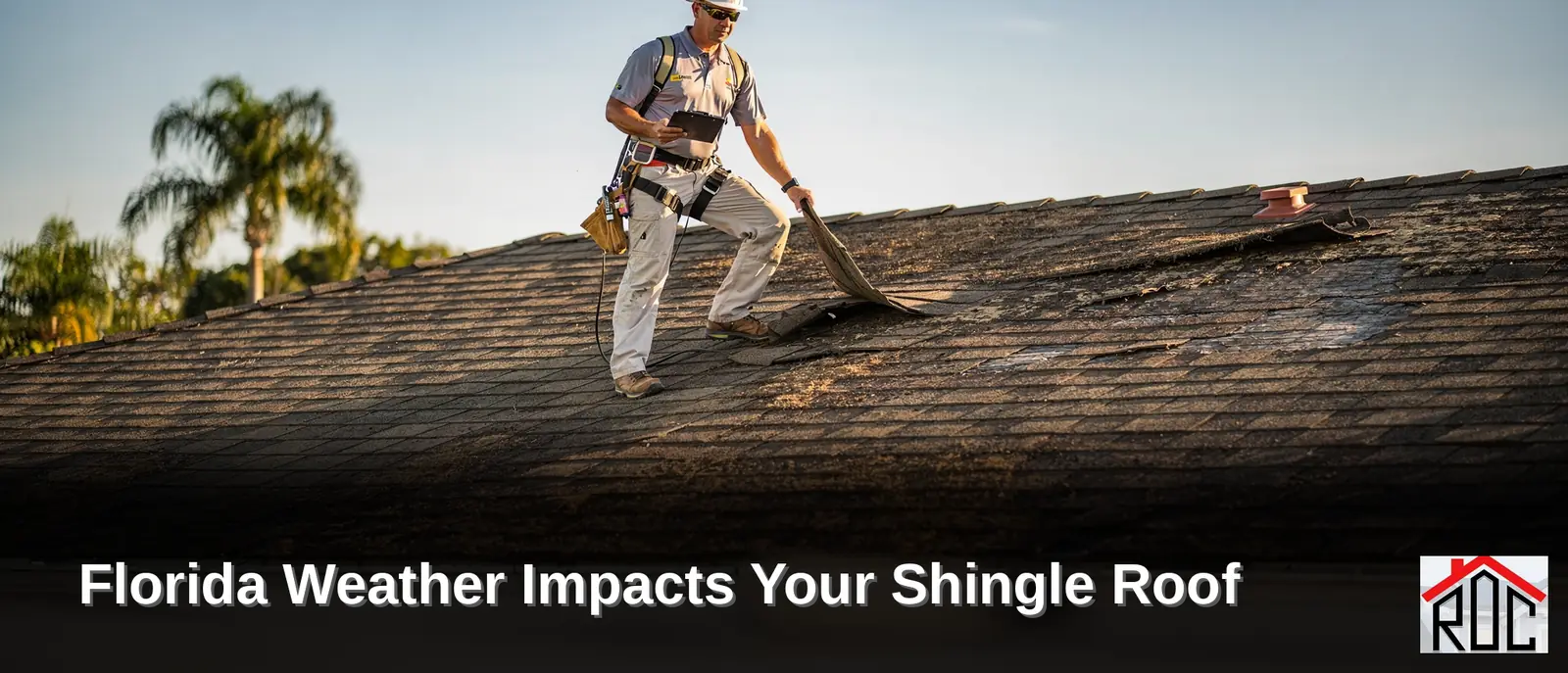
    Florida’s climate stresses asphalt shingles through intense UV heat, high humidity, heavy rain, and hurricane-season winds. These conditions cause granule loss, curling, and cracked seals, weakening a roof’s defenses over time. ROC Roofing, serving Brevard, Volusia, Orange, Seminole, Stewart, and Indian River counties, inspects storm damage and performs repairs that restore shingle roofs after Florida weather takes its toll.

    Key Takeaways

    • Florida’s extreme heat and intense humidity cause accelerated wear and tear on shingle roofs year-round.
    • Hurricane season brings high winds that inflict major damage to roofs unprepared for severe weather conditions.
    • Heavy rain storms and constant moisture exposure deteriorate shingles faster in Florida’s tropical climate environment.
    • Regular roof maintenance prevents costly damage from Florida’s combination of heat, humidity, storms, and wind exposure.

    Why Does Florida Sun Damage Shingle Roofs?

    Sustained ultraviolet exposure strips asphalt shingles of the oils that keep them flexible. Florida homeowners see the effects in cracked, curling, or brittle shingles long before a storm ever arrives. Understanding how Florida weather impacts your shingle roof starts with the sun itself. Heat is often the first source of damage, not the last.

    Abundant sunshine defines the Sunshine State, but that same brightness works against roofing materials day after day. Shingles absorb heat for hours during peak summer months, and repeated heating-and-cooling cycles accelerate granule loss. Over time, that cycle turns a once-flexible surface into one prone to cracking and premature aging.

    Does humidity make sun damage worse?

    Yes. Intense sun rarely acts alone in Florida. Heavy rainfall and high humidity combine with UV exposure to create considerable wear, weakening shingles faster than dry heat alone would.

    Can homeowners slow down sun-related roof damage?

    Reflective roofing materials offer a practical defense. These products limit heat absorption, keep attic spaces cooler, and extend the usable life of the roof system.

    Homeowners across Brevard, Volusia, Orange, Seminole, Stewart, and Indian River counties benefit from materials built for this climate:

    • Reflective shingles that reduce surface heat buildup
    • Proper attic ventilation to release trapped warmth
    • Routine inspections to catch brittleness before cracks spread

    ROC Roofing serves Florida homeowners with shingle solutions designed to withstand year-round sun exposure.

    Florida hurricane season peaks in August, September, and October, but the broader season runs much

    How Do Storms and Hurricanes Affect Shingles?

    Hurricane winds elevator shingle edges, crack seals, and strip granules that protect the roof beneath. Peak danger arrives in August, September, and October, though Florida’s official hurricane season stretches roughly twice that long. Homeowners in Brevard, Volusia, Orange, Seminole, Stewart, and Indian River counties face this extended exposure every year, not just during the loudest months.

    Wind is only part of the threat. Florida’s climate combines extreme heat, thick humidity, pounding rain, and sustained wind. A mix that produces steady wear and, in severe cases, structural damage. Frequent storms and sudden severe weather events keep shingle roofs under near-constant stress across the state.

    What Storm Damage Should Homeowners Watch For?

    Missing or curling shingles, granule loss in gutters, and soft spots on the roof surface signal storm impact. Leaks that appear days after a storm often trace back to wind-loosened seals rather than the storm itself.

    Common warning signs include:

    • Bald patches where granules have washed away
    • Shingles that appear lifted, cracked, or torn
    • Water stains on ceilings following heavy rain
    • Debris dents or punctures on the roof surface

    Who Handles Storm Repairs and Insurance Claims?

    ROC Roofing delivers fast, reliable repairs for leaks, storm damage, and general wear across its Central Florida service area, restoring roof strength after severe weather. How Florida weather impacts your shingle roof often determines whether a claim gets approved. The team also guides homeowners through insurance paperwork, easing what can otherwise be a stressful process.

    Shingle roofs in Florida typically last 15 to 20 years with proper care.; Water stains

    What Signs Mean Your Roof Needs Attention?

    Water stains on ceilings, active leaks, missing shingles, mold growth, and unexpectedly high energy bills all signal roof trouble for Florida homeowners. These warning signs rarely appear overnight. Weather works on shingle roofs gradually. The cumulative effects of Florida’s heat, humidity, and storms weaken roofing materials over time when left unaddressed.

    Most shingle roofs in Florida last between 15 and 20 years with proper maintenance. Metal and tile options can exceed 40 years. Age alone doesn’t tell the whole story, though. A roof nearing the end of its lifespan combined with visible damage warrants closer inspection.

    Common indicators include:

    • Water stains spreading across interior ceilings or walls
    • Active leaks during or after rainfall
    • Missing, curling, or cracked shingles
    • Mold or algae growth on the roof surface
    • Rising energy bills tied to poor insulation

    How Can Homeowners Tell If Damage Is Serious?

    Persistent leaks, sagging rooflines, or widespread shingle loss usually point to structural issues rather than minor wear. Catching these problems early prevents costlier repairs down the road.

    Is a Professional Inspection Necessary?

    ROC Roofing provides complimentary inspections that check for leaks, storm damage, and overall roof condition, giving Central Florida homeowners a clear picture before small issues escalate.

    Florida’s weather presents real challenges to shingle roofs, from intense UV exposure and salt spray to powerful storms and heavy rainfall. Understanding these environmental pressures helps homeowners make informed decisions about materials, maintenance schedules, and when replacement becomes necessary. By recognizing how your local climate affects your roof’s performance, you protect your home’s structural integrity and ensure lasting durability. Regular inspections and quality materials designed for Florida conditions give you the confidence that your roof will stand strong against whatever weather comes your way.

    FAQ

    What causes shingle roof damage in Florida?

    Sustained UV exposure strips oils from shingles, causing cracking and curling. High humidity, heavy rain, and hurricane-season winds compound the wear. Together these conditions cause granule loss, curling, and cracked seals over time.

    When is hurricane season riskiest for shingle roofs?

    Hurricane winds elevator shingle edges, crack seals, and strip protective granules during this extended period.

    What signs indicate storm damage on a shingle roof?

    Leaks that appear days after a storm often trace back to wind damage.

  • Roof Replacement Florida: Warning Signs Your Roof Needs Replacement

    Roof Replacement Florida: Warning Signs Your Roof Needs Replacement

    Florida roofs face relentless sun, humidity, and storm exposure that accelerate wear, making a timely roof repair near me essential for homeowners considering roof replacement florida. Warning signs include curling or missing shingles, ceiling water stains, granules in gutters, and daylight through the roof deck. ROC Roofing, an experienced roofing contractor serving Central Florida, recommends a professional inspection when any of these signs appear.

    Key Takeaways

    • Florida roofs age faster than those in milder climates due to relentless sun, humidity, and storm exposure.
    • Curling or missing shingles, ceiling water stains, granules in gutters, and daylight through the roof deck signal replacement need.
    • A professional inspection separates repairable issues from a roof that has reached the point of replacement.
    • Asphalt shingle roofs typically last 15 to 20 years, while metal and tile roofs endure 40 years or more, but a roof replacement beach fl may be needed sooner due to local weather.

    Is your Florida roof showing warning signs?

    Is your Florida roof showing warning signs

    Florida roofs age faster than those in milder climates. Intense sun, persistent humidity, and wind-driven rain accelerate material breakdown year after year. A roof that looks intact from the ground often hides damage that worsens with every storm. Catching signs you need a new roof early prevents a manageable project from becoming an emergency.

    A professional roof inspection florida provides the clearest answer and separates repairable issues from a roof that has reached the point of replacement. Homeowners who delay this step risk consequences that compound quickly.

    What happens if I ignore early roof warning signs?

    Water damage, mold growth, and emergency repair costs follow neglected roof problems. A small ceiling stain after a hard rain signals moisture intrusion that spreads behind walls and under flooring, and mold colonies can establish within 24 to 48 hours of water exposure. Emergency roof leak repair costs substantially more than scheduled maintenance, and insurance claims become more complicated when neglect is evident.

    How does Florida weather shorten a roof’s lifespan?

    Sun, humidity, and tropical storms stress roofing materials in ways temperate climates do not. UV radiation breaks down asphalt shingle binders, and wind-driven rain forces water under loose flashing and worn sealants. A roof that would last 25 years elsewhere may need a roof replacement a decade sooner in Florida. Regular inspections catch this accelerated wear before structural damage begins.

    What are the top 7 warning signs?

    What are the top 7 warning signs

    A roof rarely fails without warning. Florida homeowners who catch these indicators early avoid structural damage that multiplies repair costs. A professional roof inspection florida service confirms what the eye suspects, but property owners can spot trouble first.

    What does water damage in the attic look like?

    Dark stains or wet spots on attic wood signal active water penetration. Moisture soaking into the decking weakens the structure over time, and left unchecked, small ceiling stains spread into rot and mold.

    How do shingles show roof failure?

    Missing, curled, or cracked shingles expose the underlayment to Florida’s intense sun and driving rain, and loose shingles rattle in the wind. Once the protective surface breaks down, leaks follow quickly.

    Granule loss tells a similar story: check gutters for sandy grit after heavy rain, since asphalt shingles shed granules as they age and bare spots accelerate deterioration. Sagging along the roofline demands immediate attention. A visible dip or bow indicates the decking beneath has absorbed moisture and lost structural integrity, a condition that never improves on its own.

    Should you repair or replace your roof?

    Should you repair or replace your roof

    The decision between repair and replacement hinges on roof age, damage extent, and material type. Asphalt shingle roofs in Florida typically last 15 to 20 years, while metal and tile roofs endure 40 years or more with proper care. Florida’s intense sun, heavy rain, and hurricanes shorten these lifespans considerably.

    A professional evaluation determines whether localized fixes suffice or full replacement is necessary. Minor leaks and isolated shingle damage often respond well to targeted repairs, while widespread granule loss, sagging decking, or age beyond expected service life signals replacement.

    How much does a roof inspection cost in Florida?

    ROC Roofing Inc. provides thorough, no-cost roof inspections to check for leaks, storm damage, and overall condition, giving property owners a clear picture of their roof’s status without financial pressure.

    What factors determine repair vs. replacement?

    Three factors guide the decision: the roof’s age relative to its material lifespan, the percentage of damaged surface area, and underlying structural integrity. A roofing contractor Volusia County property owners trust evaluates all three during a thorough roof inspection Florida homes require after severe weather events.

    FactorRepairReplace
    AgeUnder 10 yearsOver 15 years (asphalt)
    DamageIsolated to one areaSpread across a large portion of roof
    StructureDecking soundDecking soft or sagging

    Flexible financing options help property owners move forward with confidence once the assessment is complete.

    FAQ

    What happens if I ignore early roof warning signs?

    A small ceiling stain signals moisture intrusion that spreads behind walls.

    How does Florida weather shorten a roof’s lifespan?

    Intense sun, humidity, and tropical storms break down roofing materials, causing roofs to require replacement years earlier than in milder climates.

    What are the top warning signs my roof needs replacement?

    A professional inspection separates repairable issues from replacement.

    Conclusion

    Conclusion

    Recognizing these warning signs early separates a planned roof replacement from an emergency repair. Schedule a professional inspection to confirm the condition of your roof and move forward with confidence, knowing you have protected your home from Florida’s relentless weather.

  • The Benefits of Roof Replacement Florida

    A roof replacement in Florida delivers stronger storm protection, better energy efficiency, and lower long-term repair costs, a smart investment when weighing roof replacement cost florida. ROC Roofing, with over 20 years serving Central Florida, installs systems built to withstand hurricane season and protect a home’s value for years to come.

    Key Takeaways

    • A Florida roof replacement improves storm protection, energy efficiency, and long-term repair costs.
    • Timely replacement prevents structural damage from leaks and protects a home’s value.
    • Rising energy bills often signal an aging roof’s lost insulating ability.
    • A new roof can lower insurance costs by removing age and condition as grounds for non-renewal.

    Is your Florida roof showing warning signs?

    A roof that has reached 15 years of age, especially the original roof on a home, needs a professional inspection. Florida’s sun and humidity accelerate wear, and delaying an assessment risks structural damage that drives up repair costs, often prompting a search for roof replacement near me.

    What are the visible signs a roof needs replacement?

    Dark streaking, granule loss in the gutters, and curling or cracked shingles are key signs you need a new roof. These defects let in moisture that accelerates decking rot and interior damage, pointing toward a shingle roof replacement.

    Can recurring repairs indicate a bigger problem?

    Repeated fixes on the same sections point to systemic failure, not isolated damage. A roof replacement is often more cost-effective than endless patchwork. Florida roofing contractors who specialize in residential roof replacement can tell whether the structure has degraded beyond repair.

    Rising energy bills are another clue: when costs climb without explanation, an aging roof’s lost insulating ability is often the cause. A roof replacement restores thermal performance and stops the drain on household budgets.

    How does a new roof lower insurance costs?

    Florida insurers increasingly scrutinize older roofs, and a documented replacement removes that risk from underwriting entirely.

    What happens if an insurer flags my roof’s condition?

    A non-renewal notice citing roof condition means the carrier views the roof as a liability. A full residential roof replacement meets current underwriting standards, helping homeowners keep continuous coverage and avoid the higher premiums that come with forced carrier switches.

    Does a new roof reduce the chance of filing claims?

    New roofing is far less likely to leak, which keeps a claims history clean and premiums stable. Homeowners who delay replacement instead face piling repair costs that eventually outweigh the investment in a new roof.

    For more detail on how roofing condition affects coverage, review the company’s roof repair, replacement, and installation FAQs.

    Why replace your roof during Florida winter?

    Winter is the safest window for a roof replacement in Florida. It falls outside hurricane season, eliminating storm interruptions, and contractors’ slower schedules mean faster starts and more flexible timelines.

    A winter installation gives the new roof time to cure before the next storm cycle. Homeowners who wait until spring often face packed calendars and rushed timelines, leaving an aging roof exposed to another hurricane season.

    Is winter roof replacement faster to schedule in Florida?

    Yes. Most Florida roofing contractors see reduced demand between December and February, so crews can start sooner and give each job more attention, well ahead of the spring and summer rush.

    Will a winter roof replacement protect my home before storm season?

    Absolutely. A residential roof replacement completed in winter is fully sealed and tested months before hurricane season, with time to settle and make adjustments before facing heavy rains and high winds.

    FAQ

    How does a new roof lower insurance costs in Florida?

    A new roof removes age and condition as grounds for non-renewal or premium increases, since Florida insurers scrutinize older roofing systems closely.

    What visible signs indicate a roof needs replacement?

    Dark streaking, granule loss in the gutters, and curling or cracked shingles all signal advanced wear and a roof nearing the end of its service life.

    Is it better to repair or replace an aging roof?

    When repairs recur on the same sections, replacement is usually more cost-effective than continued patchwork, especially once the underlying structure has started to degrade.

    Conclusion

    A Florida roof replacement delivers storm protection, energy savings, and lower insurance costs while ending the cycle of repeat repairs. Winter offers the safest window for installation, giving the new roof time to cure before hurricane season returns, so homeowners who act now avoid rushed timelines and protect their property ahead of the next storm.

  • Tile Roofing Benefits: Why Florida Homeowners Choose Them

    Tile Roofing Benefits: Why Florida Homeowners Choose Them

    Tile roofing’s 50-to-100-year lifespan far outlasts asphalt shingles, making it a durable choice for Florida’s harsh climate. Clay and concrete tiles resist hurricane-force winds, heavy rain, and intense sun. Their energy efficiency also helps homeowners lower cooling costs. ROC Roofing installs tile systems across Central Florida, providing long-term protection and value.

    Key Takeaways

    • Tile roofing delivers a 50-to-100-year lifespan, far outlasting standard asphalt shingles in Florida’s harsh climate.
    • Clay and concrete tiles resist hurricane-force winds, heavy rain, intense sun, decay, and insect damage.
    • The natural air gap beneath tiles creates a cooling barrier that lowers energy demand and reduces heat transfer.
    • Proper installation following Florida’s High Velocity Hurricane Zone requirements locks the roof together to resist uplift during severe storms.

    Why are tile roofs so popular in Florida?

    Why are tile roofs so popular in Florida

    Tile roofs dominate Florida neighborhoods because they deliver a lifespan of 50 to 100 years. That longevity crushes the performance of standard asphalt shingles. Homeowners who skip this upgrade face repeated replacements and mounting costs over decades of ownership.

    What makes tile roofs last so long in Florida?

    Clay and concrete tiles resist decay, insect damage, and the relentless UV exposure that breaks down other materials. A properly maintained tile roof often outlasts the structure beneath it. This durability translates directly into lower lifetime costs for Florida property owners.

    Can tile roofs survive a hurricane?

    Hurricane-resistant tile roofing performs exceptionally well when installed to manufacturer and code specifications. Proper installation resists hurricane-force winds and reduces wind uplift, a critical advantage in Florida’s storm-prone climate. Without this wind resistance, a roof becomes the first point of failure during a major storm.

    Tile roofing also combines energy-efficient thermal performance with distinct architectural character. The natural air gap beneath tiles creates a cooling barrier against Florida’s intense sun. Homeowners gain a roofing system that lowers energy demand while standing up to heavy rains and coastal weather patterns. For a smooth tile roof installation, working with experienced Florida tile roofing contractors ensures the system meets local wind codes and delivers its full protective value.

    What are the benefits of tile roofs?

    What are the benefits of tile roofs

    Tile roofing benefits start with exceptional longevity. Clay and concrete tiles commonly last 50 to 100 years, far outlasting asphalt shingles. This extended lifespan transforms a higher upfront cost into strong long-term value. Fewer replacements over decades make tile a cost-effective choice for Florida homeowners.

    How do tile roofs handle Florida’s weather?

    Tile roofing stands up to intense sun, heavy rains, and hurricane winds. The material resists decay and insect damage. Properly installed systems shed water quickly and hold firm in high winds. This low-maintenance performance suits Florida’s demanding climate.

    Do tile roofs improve home appearance?

    Clay tiles deliver classic curb appeal and excellent color retention. The rich, traditional look enhances a home’s architectural character. Concrete tiles offer similar style with versatile color options. A tile roof installation adds lasting beauty that resists fading.

    Florida tile roofing contractors like ROC Roofing install these durable systems across Central Florida. The company’s residential roofing services include tile options built for local conditions. Energy-efficient tile roofs also reduce heat transfer, keeping homes cooler. Hurricane-resistant tile roofing provides peace of mind when storms arrive.

    How does tile roof installation work?

    How does tile roof installation work

    Professional tile roof installation follows a precise, code-driven process. Florida’s strict building codes demand structures withstand intense weather, making proper installation critical. A correctly installed tile roof resists hurricane-force winds and reduces wind uplift.

    The process begins with a thorough deck inspection. Contractors check for rot, sagging, or structural weakness. The roof deck must support the substantial weight of clay or concrete tiles.

    What preparation is needed before tiles go on?

    The old roofing material is stripped away completely. A high-quality synthetic underlayment is then rolled out and fastened. This secondary water barrier protects the home if wind-driven rain gets past the tiles. Flashing is installed around chimneys, vents, and valleys to prevent leaks.

    How are the tiles secured against hurricanes?

    Installers fasten each tile according to manufacturer specifications and Florida’s High Velocity Hurricane Zone requirements. Perimeter tiles and ridge caps receive extra fasteners. This method locks the roof together, enabling it to resist uplift during severe storms. Florida tile roofing contractors like ROC Roofing Inc. use the best materials and techniques to guarantee a durable, reliable roof. The company’s team handles every installation with precision, ensuring long-term performance against the state’s punishing weather.

    FAQ

    Why are tile roofs so popular in Florida?

    Tile roofs deliver a 50-to-100-year lifespan, far outlasting standard asphalt shingles, and resist hurricane-force winds, heavy rain, and intense sun.

    Can tile roofs survive a hurricane?

    Yes. When installed to Florida building codes and manufacturer specifications, tile roofs lock together to withstand hurricane-force winds and uplift.

    Do tile roofs improve home energy efficiency?

    The natural air gap beneath tiles creates a cooling barrier that lowers energy demand and reduces heat transfer, helping homeowners lower cooling costs.

    Conclusion

    Conclusion

    For Florida homeowners weighing their roofing options, tile delivers the proven combination of longevity, storm resistance, and energy savings that asphalt shingles cannot match. Choosing tile means investing in a system built to withstand the state’s punishing weather while lowering cooling costs over decades of service. Contact a qualified local contractor to discuss tile installation that meets Florida’s wind codes and protects your home for the long haul.

  • Roofing Brevard County FL: Expert Repairs in Brevard County, Florida

    Roofing Brevard County FL: Expert Repairs in Brevard County, Florida

    Brevard County homeowners seeking durable roofing solutions turn to experienced local contractors for storm-resistant installations. ROC Roofing Inc., an experienced Central Florida contractor, provides residential and commercial services including shingle, tile, and metal roof replacements. Their team assists with insurance claims and offers flexible financing for complete peace of mind.

    Key Takeaways

    • Brevard County roofs face tropical storms, hurricane-force winds, and relentless UV exposure that standard installations cannot handle.
    • Metal and tile roofs last 40+ years with proper care; shingle roofs typically last 15 to 20 years.
    • Small leaks escalate fast without prompt repair, so quick action protects the decking and substrate.
    • A dependable contractor offers clear pricing, honest communication, and support from consultation through completion.

    What weather challenges do Brevard County roofs face?

    What weather challenges do Brevard County roofs face

    Brevard County roofs endure a punishing combination of tropical storms, hurricane-force winds, and relentless UV exposure. Salt-laden air corrodes fasteners and flashing, intense solar radiation degrades shingle binders early, and sudden microbursts tear loose improperly anchored panels.

    Material choice dictates survival. Roofing Brevard County Fl projects must account for heat, rain, and storms that standard installations cannot handle. Shingle roofs typically last 15 to 20 years under these conditions, while metal and tile roofs last 40 years or more with proper care.

    Small breaches escalate fast: wind-driven rain penetrates the decking and rots the substrate. A roof repair Brevard County Fl specialist can stop a minor leak before mold and structural decay set in, before it becomes a full roof replacement Brevard County Fl project. ROC Roofing provides fast, reliable repairs for leaks, storm damage, and everyday wear.

    How can you choose a reliable roofing contractor?

    How can you choose a reliable roofing contractor

    Selecting a roofing contractor Brevard County Fl homeowners can trust starts with verifying transparency and local expertise. A dependable contractor provides clear pricing, honest communication, and a customer-first approach from the initial consultation through project completion, protecting against substandard installations that fail during hurricane season.

    A qualified roofing company Melbourne Fl residents hire carries proper licensing and insurance specific to Florida’s building codes, and assists with insurance claims and flexible financing options.

    Reputable roofers Palm Bay Fl property owners call provide complimentary inspections to check for leaks, storm damage, and overall roof condition. This no-obligation assessment identifies hidden vulnerabilities before they escalate, giving homeowners a clear picture of their roof’s status.

    For a complete upgrade, a residential roofing specialist evaluates whether shingle, tile, or metal systems best suit the coastal environment. A roof replacement Brevard County Fl project demands materials engineered for intense UV exposure and wind uplift.

    What roofing materials work best for Brevard County homes?

    What roofing materials work best for Brevard County homes

    Asphalt shingles, metal, tile, and flat roofing systems all perform well in Brevard County’s coastal climate. The wrong material invites premature failure, water intrusion, and avoidable repair costs.

    Metal roofing stands up to hurricane-force winds and flying debris better than most alternatives, enhances curb appeal, and increases energy efficiency. Asphalt shingles remain a common, budget-conscious choice. Tile roofing offers exceptional longevity and a distinctive Florida aesthetic, though it requires a structural assessment for weight.

    ROC Roofing assesses budget, energy efficiency goals, and Florida’s climate demands before recommending a system, installing asphalt shingles, metal, tile, TPO, EPDM, modified bitumen, and flat roofing:

    • Metal roofs deliver the best wind resistance and lifespan, often 40+ years.
    • Asphalt shingles provide affordability and straightforward installation, with modern grades offering improved wind ratings.
    • Tile roofs bring unmatched durability and classic curb appeal, requiring expert flashing and underlayment work.

    Every roof replacement Brevard County Fl project needs a system matched to the home’s exposure and structure, a factor that separates a roof built for decades from one that fails at the first severe storm.

    FAQ

    What weather challenges do Brevard County roofs face?

    Tropical storms, hurricane-force winds, relentless UV exposure, salt-laden air, and intense solar radiation accelerate material breakdown and structural compromise.

    How long do different roofing materials last in Brevard County?

    Shingle roofs typically last 15 to 20 years, while metal and tile roofs last 40 years or more with proper care.

    What credentials should a Brevard County roofing contractor hold?

    Proper licensing and insurance specific to Florida’s building codes, plus assistance with insurance claims and flexible financing options.

    Conclusion

    Conclusion

    Choosing the right roofing system and contractor for a Brevard County home determines whether that investment withstands the next hurricane season or fails prematurely. Homeowners who verify credentials, request a free inspection, and select materials matched to Florida’s coastal demands secure decades of reliable protection.