By ROC Roofing Inc. Editorial Team · Updated 2026-08-17
Florida’s climate stresses asphalt shingles through intense UV heat, high humidity, heavy rain, and hurricane-season winds. These conditions cause granule loss, curling, and cracked seals, weakening a roof’s defenses over time. ROC Roofing, serving Brevard, Volusia, Orange, Seminole, Stewart, and Indian River counties, inspects storm damage and performs repairs that restore shingle roofs after Florida weather takes its toll.
Key Takeaways
- Florida’s extreme heat and intense humidity cause accelerated wear and tear on shingle roofs year-round.
- Hurricane season brings high winds that inflict major damage to roofs unprepared for severe weather conditions.
- Heavy rain storms and constant moisture exposure deteriorate shingles faster in Florida’s tropical climate environment.
- Regular roof maintenance prevents costly damage from Florida’s combination of heat, humidity, storms, and wind exposure.
Why Does Florida Sun Damage Shingle Roofs?
Sustained ultraviolet exposure strips asphalt shingles of the oils that keep them flexible. Florida homeowners see the effects in cracked, curling, or brittle shingles long before a storm ever arrives. Understanding how Florida weather impacts your shingle roof starts with the sun itself. Heat is often the first source of damage, not the last.
Abundant sunshine defines the Sunshine State, but that same brightness works against roofing materials day after day. Shingles absorb heat for hours during peak summer months, and repeated heating-and-cooling cycles accelerate granule loss. Over time, that cycle turns a once-flexible surface into one prone to cracking and premature aging.
Does humidity make sun damage worse?
Yes. Intense sun rarely acts alone in Florida. Heavy rainfall and high humidity combine with UV exposure to create considerable wear, weakening shingles faster than dry heat alone would.
Can homeowners slow down sun-related roof damage?
Reflective roofing materials offer a practical defense. These products limit heat absorption, keep attic spaces cooler, and extend the usable life of the roof system.
Homeowners across Brevard, Volusia, Orange, Seminole, Stewart, and Indian River counties benefit from materials built for this climate:
- Reflective shingles that reduce surface heat buildup
- Proper attic ventilation to release trapped warmth
- Routine inspections to catch brittleness before cracks spread
ROC Roofing serves Florida homeowners with shingle solutions designed to withstand year-round sun exposure.
How Do Storms and Hurricanes Affect Shingles?
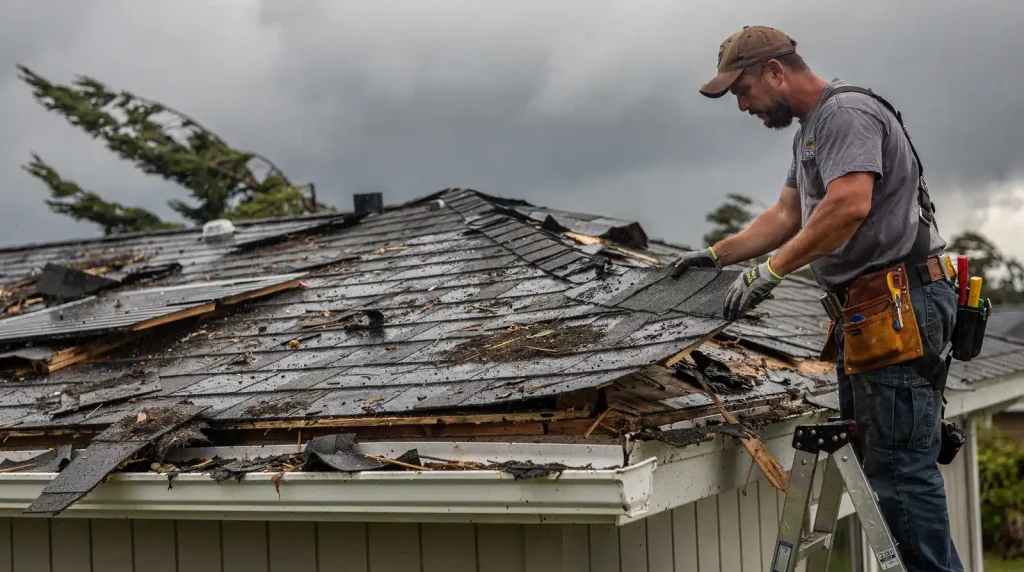
Hurricane winds elevator shingle edges, crack seals, and strip granules that protect the roof beneath. Peak danger arrives in August, September, and October, though Florida’s official hurricane season stretches roughly twice that long. Homeowners in Brevard, Volusia, Orange, Seminole, Stewart, and Indian River counties face this extended exposure every year, not just during the loudest months.
Wind is only part of the threat. Florida’s climate combines extreme heat, thick humidity, pounding rain, and sustained wind. A mix that produces steady wear and, in severe cases, structural damage. Frequent storms and sudden severe weather events keep shingle roofs under near-constant stress across the state.
What Storm Damage Should Homeowners Watch For?
Missing or curling shingles, granule loss in gutters, and soft spots on the roof surface signal storm impact. Leaks that appear days after a storm often trace back to wind-loosened seals rather than the storm itself.
Common warning signs include:
- Bald patches where granules have washed away
- Shingles that appear lifted, cracked, or torn
- Water stains on ceilings following heavy rain
- Debris dents or punctures on the roof surface
Who Handles Storm Repairs and Insurance Claims?
ROC Roofing delivers fast, reliable repairs for leaks, storm damage, and general wear across its Central Florida service area, restoring roof strength after severe weather. How Florida weather impacts your shingle roof often determines whether a claim gets approved. The team also guides homeowners through insurance paperwork, easing what can otherwise be a stressful process.
What Signs Mean Your Roof Needs Attention?
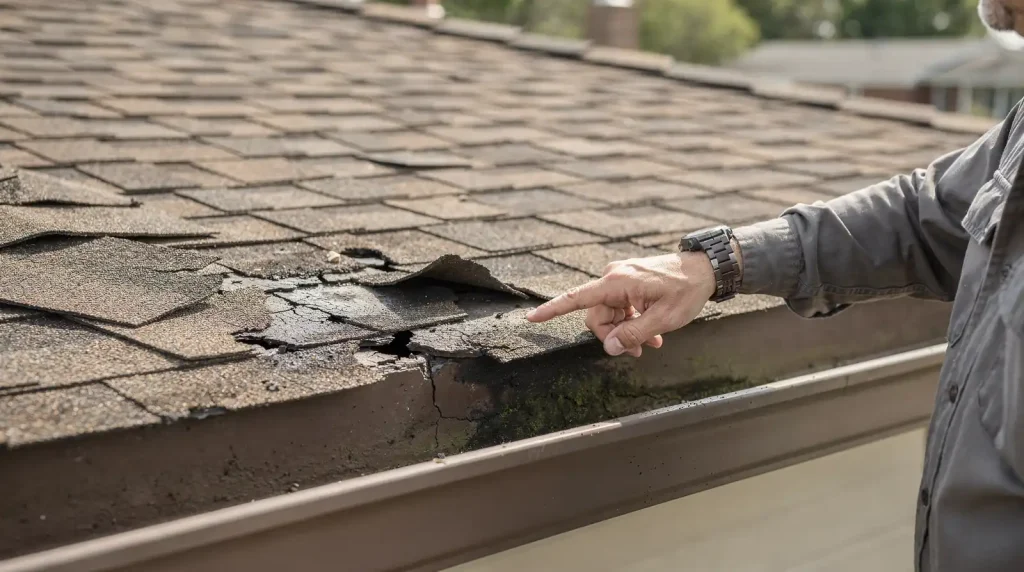
Water stains on ceilings, active leaks, missing shingles, mold growth, and unexpectedly high energy bills all signal roof trouble for Florida homeowners. These warning signs rarely appear overnight. Weather works on shingle roofs gradually. The cumulative effects of Florida’s heat, humidity, and storms weaken roofing materials over time when left unaddressed.
Most shingle roofs in Florida last between 15 and 20 years with proper maintenance. Metal and tile options can exceed 40 years. Age alone doesn’t tell the whole story, though. A roof nearing the end of its lifespan combined with visible damage warrants closer inspection.
Common indicators include:
- Water stains spreading across interior ceilings or walls
- Active leaks during or after rainfall
- Missing, curling, or cracked shingles
- Mold or algae growth on the roof surface
- Rising energy bills tied to poor insulation
How Can Homeowners Tell If Damage Is Serious?
Persistent leaks, sagging rooflines, or widespread shingle loss usually point to structural issues rather than minor wear. Catching these problems early prevents costlier repairs down the road.
Is a Professional Inspection Necessary?
ROC Roofing provides complimentary inspections that check for leaks, storm damage, and overall roof condition, giving Central Florida homeowners a clear picture before small issues escalate.
Florida’s weather presents real challenges to shingle roofs, from intense UV exposure and salt spray to powerful storms and heavy rainfall. Understanding these environmental pressures helps homeowners make informed decisions about materials, maintenance schedules, and when replacement becomes necessary. By recognizing how your local climate affects your roof’s performance, you protect your home’s structural integrity and ensure lasting durability. Regular inspections and quality materials designed for Florida conditions give you the confidence that your roof will stand strong against whatever weather comes your way.
FAQ
What causes shingle roof damage in Florida?
Sustained UV exposure strips oils from shingles, causing cracking and curling. High humidity, heavy rain, and hurricane-season winds compound the wear. Together these conditions cause granule loss, curling, and cracked seals over time.
When is hurricane season riskiest for shingle roofs?
Hurricane winds elevator shingle edges, crack seals, and strip protective granules during this extended period.
What signs indicate storm damage on a shingle roof?
Leaks that appear days after a storm often trace back to wind damage.