Tile roofing’s 50-to-100-year lifespan far outlasts asphalt shingles, making it a durable choice for Florida’s harsh climate. Clay and concrete tiles resist hurricane-force winds, heavy rain, and intense sun. Their energy efficiency also helps homeowners lower cooling costs. ROC Roofing installs tile systems across Central Florida, providing long-term protection and value.
Key Takeaways
- Tile roofing delivers a 50-to-100-year lifespan, far outlasting standard asphalt shingles in Florida’s harsh climate.
- Clay and concrete tiles resist hurricane-force winds, heavy rain, intense sun, decay, and insect damage.
- The natural air gap beneath tiles creates a cooling barrier that lowers energy demand and reduces heat transfer.
- Proper installation following Florida’s High Velocity Hurricane Zone requirements locks the roof together to resist uplift during severe storms.
Why are tile roofs so popular in Florida?
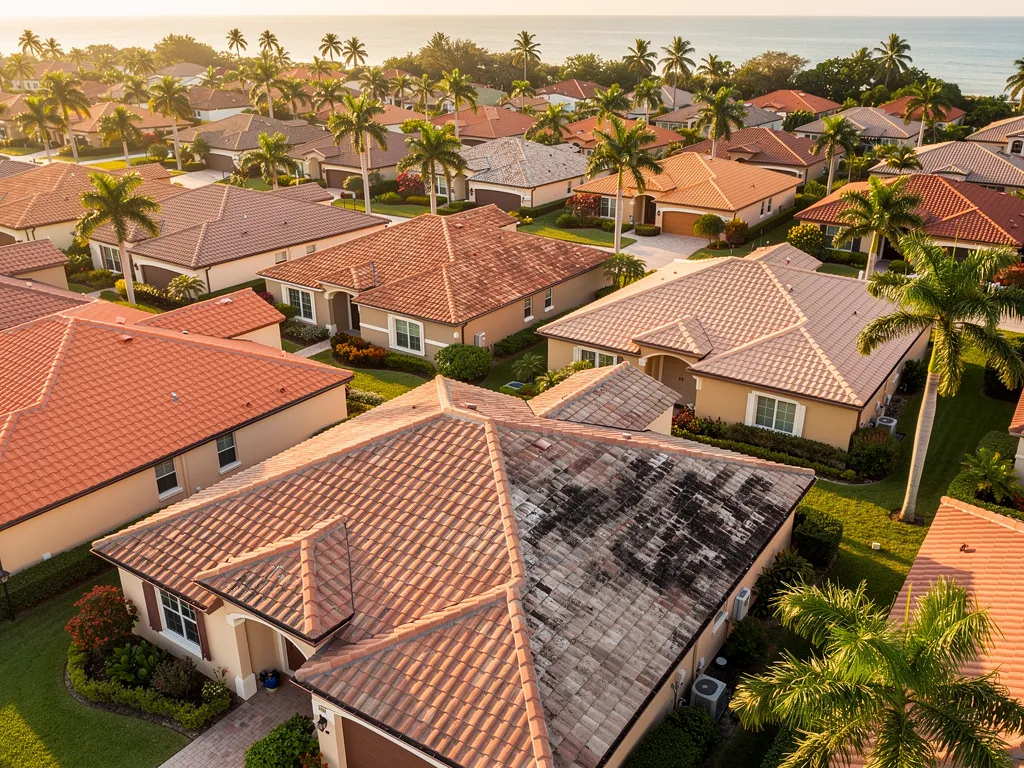
Tile roofs dominate Florida neighborhoods because they deliver a lifespan of 50 to 100 years. That longevity crushes the performance of standard asphalt shingles. Homeowners who skip this upgrade face repeated replacements and mounting costs over decades of ownership.
What makes tile roofs last so long in Florida?
Clay and concrete tiles resist decay, insect damage, and the relentless UV exposure that breaks down other materials. A properly maintained tile roof often outlasts the structure beneath it. This durability translates directly into lower lifetime costs for Florida property owners.
Can tile roofs survive a hurricane?
Hurricane-resistant tile roofing performs exceptionally well when installed to manufacturer and code specifications. Proper installation resists hurricane-force winds and reduces wind uplift, a critical advantage in Florida’s storm-prone climate. Without this wind resistance, a roof becomes the first point of failure during a major storm.
Tile roofing also combines energy-efficient thermal performance with distinct architectural character. The natural air gap beneath tiles creates a cooling barrier against Florida’s intense sun. Homeowners gain a roofing system that lowers energy demand while standing up to heavy rains and coastal weather patterns. For a smooth tile roof installation, working with experienced Florida tile roofing contractors ensures the system meets local wind codes and delivers its full protective value.
What are the benefits of tile roofs?
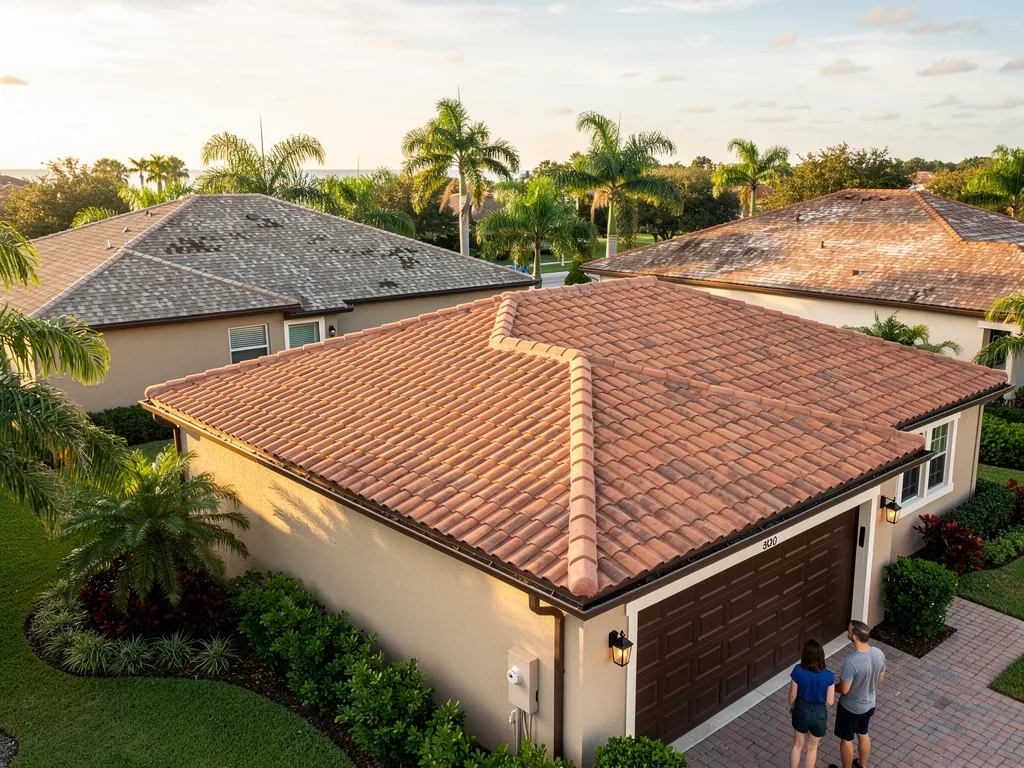
Tile roofing benefits start with exceptional longevity. Clay and concrete tiles commonly last 50 to 100 years, far outlasting asphalt shingles. This extended lifespan transforms a higher upfront cost into strong long-term value. Fewer replacements over decades make tile a cost-effective choice for Florida homeowners.
How do tile roofs handle Florida’s weather?
Tile roofing stands up to intense sun, heavy rains, and hurricane winds. The material resists decay and insect damage. Properly installed systems shed water quickly and hold firm in high winds. This low-maintenance performance suits Florida’s demanding climate.
Do tile roofs improve home appearance?
Clay tiles deliver classic curb appeal and excellent color retention. The rich, traditional look enhances a home’s architectural character. Concrete tiles offer similar style with versatile color options. A tile roof installation adds lasting beauty that resists fading.
Florida tile roofing contractors like ROC Roofing install these durable systems across Central Florida. The company’s residential roofing services include tile options built for local conditions. Energy-efficient tile roofs also reduce heat transfer, keeping homes cooler. Hurricane-resistant tile roofing provides peace of mind when storms arrive.
How does tile roof installation work?
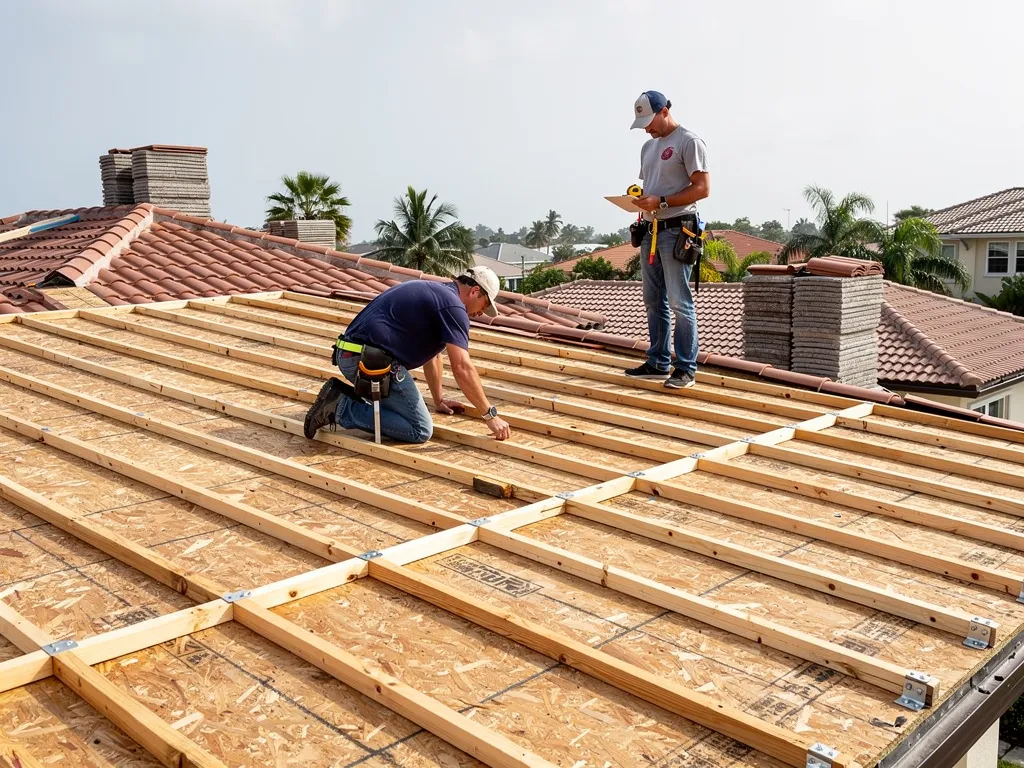
Professional tile roof installation follows a precise, code-driven process. Florida’s strict building codes demand structures withstand intense weather, making proper installation critical. A correctly installed tile roof resists hurricane-force winds and reduces wind uplift.
The process begins with a thorough deck inspection. Contractors check for rot, sagging, or structural weakness. The roof deck must support the substantial weight of clay or concrete tiles.
What preparation is needed before tiles go on?
The old roofing material is stripped away completely. A high-quality synthetic underlayment is then rolled out and fastened. This secondary water barrier protects the home if wind-driven rain gets past the tiles. Flashing is installed around chimneys, vents, and valleys to prevent leaks.
How are the tiles secured against hurricanes?
Installers fasten each tile according to manufacturer specifications and Florida’s High Velocity Hurricane Zone requirements. Perimeter tiles and ridge caps receive extra fasteners. This method locks the roof together, enabling it to resist uplift during severe storms. Florida tile roofing contractors like ROC Roofing Inc. use the best materials and techniques to guarantee a durable, reliable roof. The company’s team handles every installation with precision, ensuring long-term performance against the state’s punishing weather.
FAQ
Why are tile roofs so popular in Florida?
Tile roofs deliver a 50-to-100-year lifespan, far outlasting standard asphalt shingles, and resist hurricane-force winds, heavy rain, and intense sun.
Can tile roofs survive a hurricane?
Yes. When installed to Florida building codes and manufacturer specifications, tile roofs lock together to withstand hurricane-force winds and uplift.
Do tile roofs improve home energy efficiency?
The natural air gap beneath tiles creates a cooling barrier that lowers energy demand and reduces heat transfer, helping homeowners lower cooling costs.
Conclusion
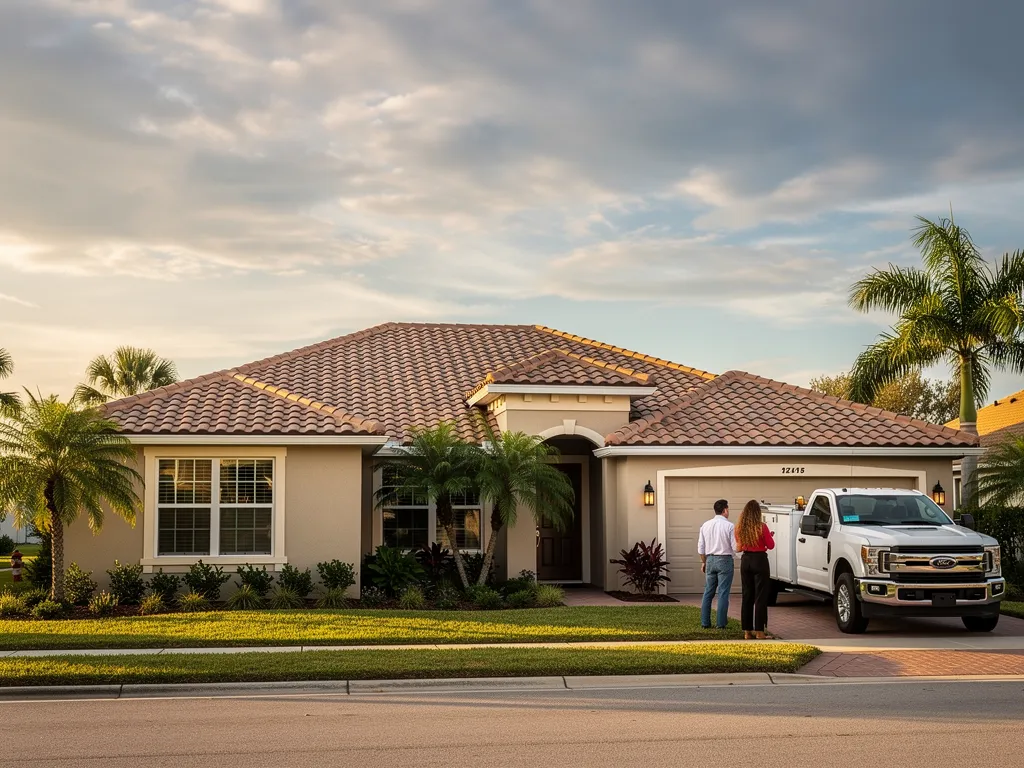
For Florida homeowners weighing their roofing options, tile delivers the proven combination of longevity, storm resistance, and energy savings that asphalt shingles cannot match. Choosing tile means investing in a system built to withstand the state’s punishing weather while lowering cooling costs over decades of service. Contact a qualified local contractor to discuss tile installation that meets Florida’s wind codes and protects your home for the long haul.